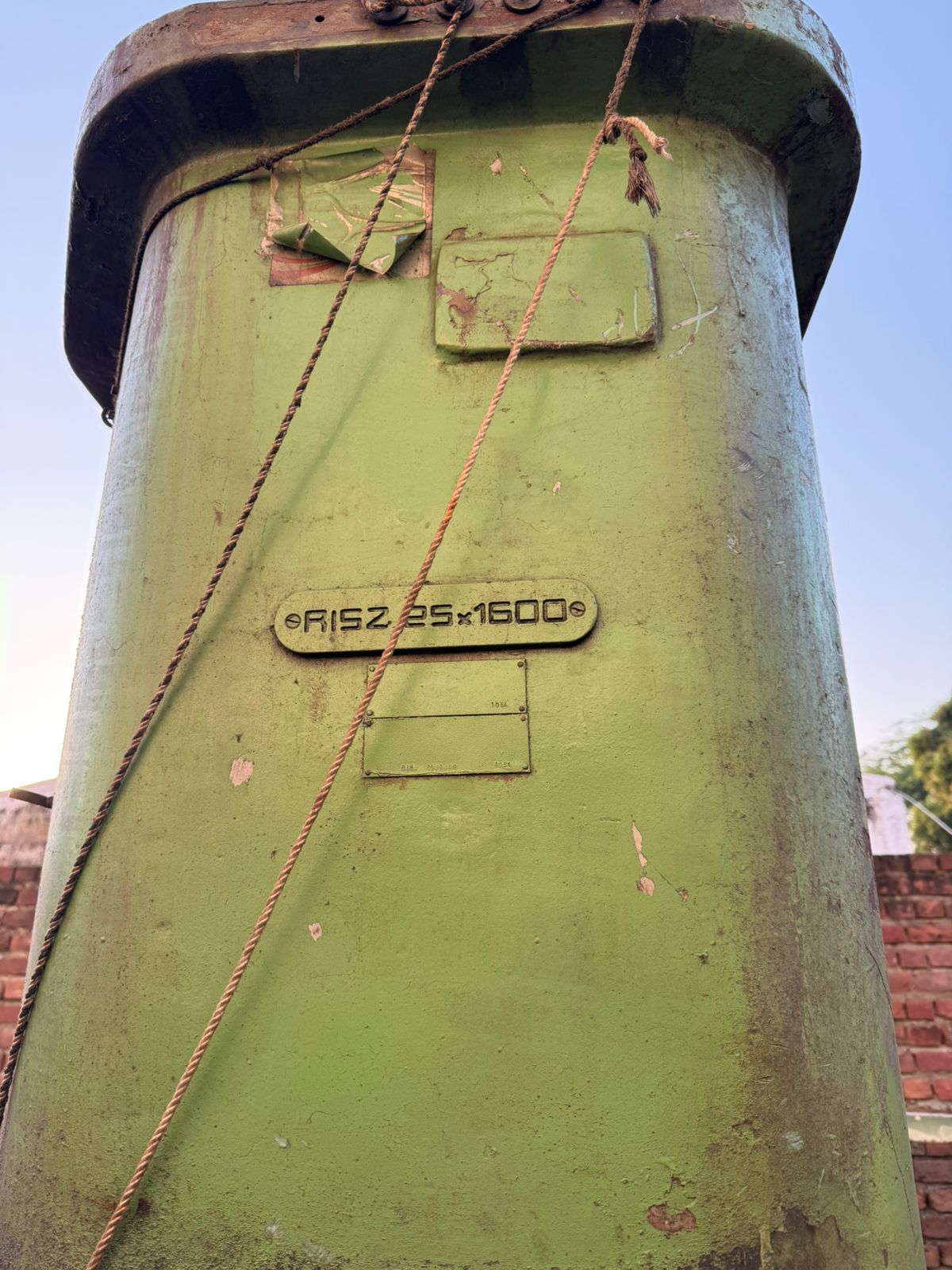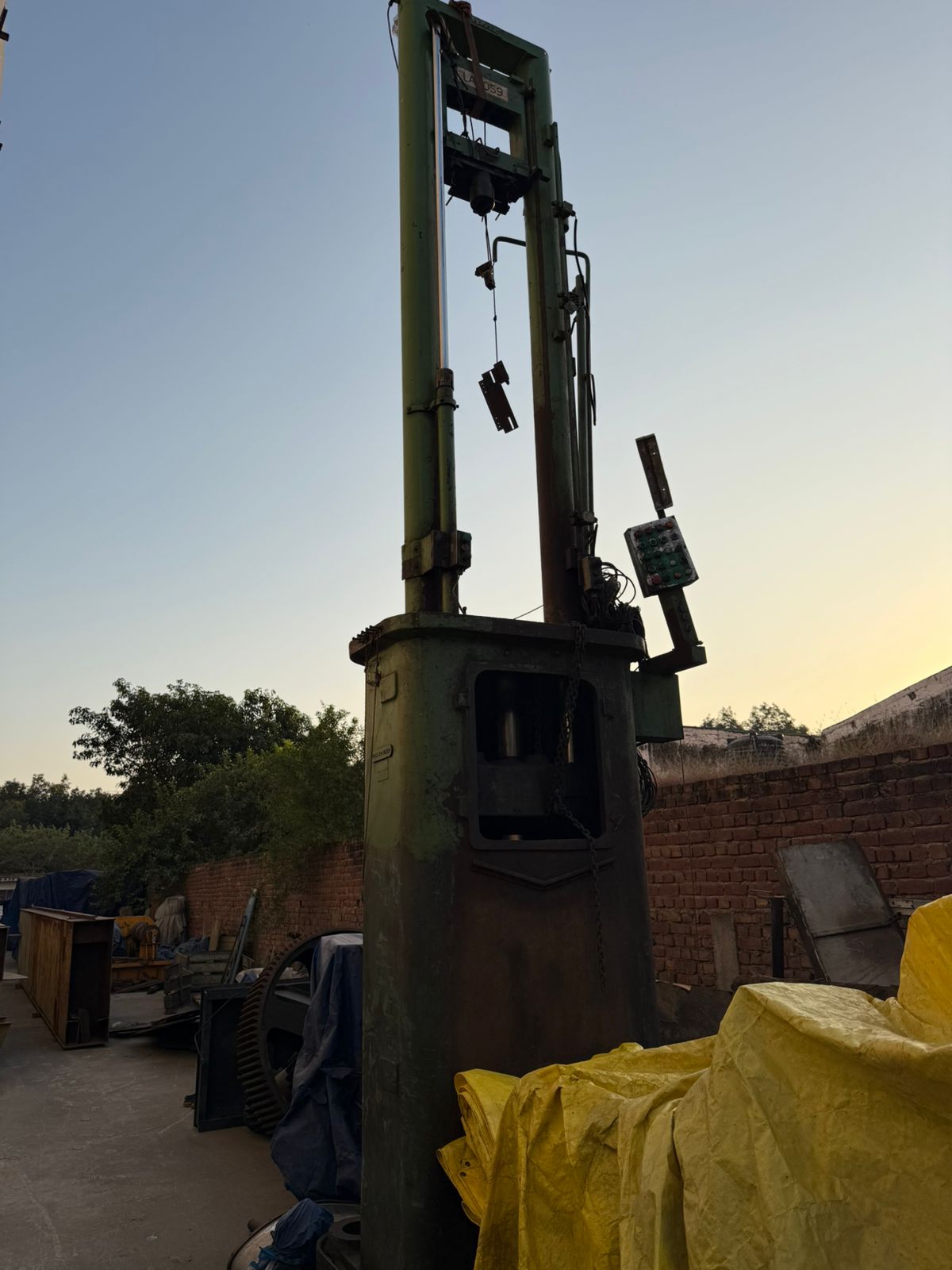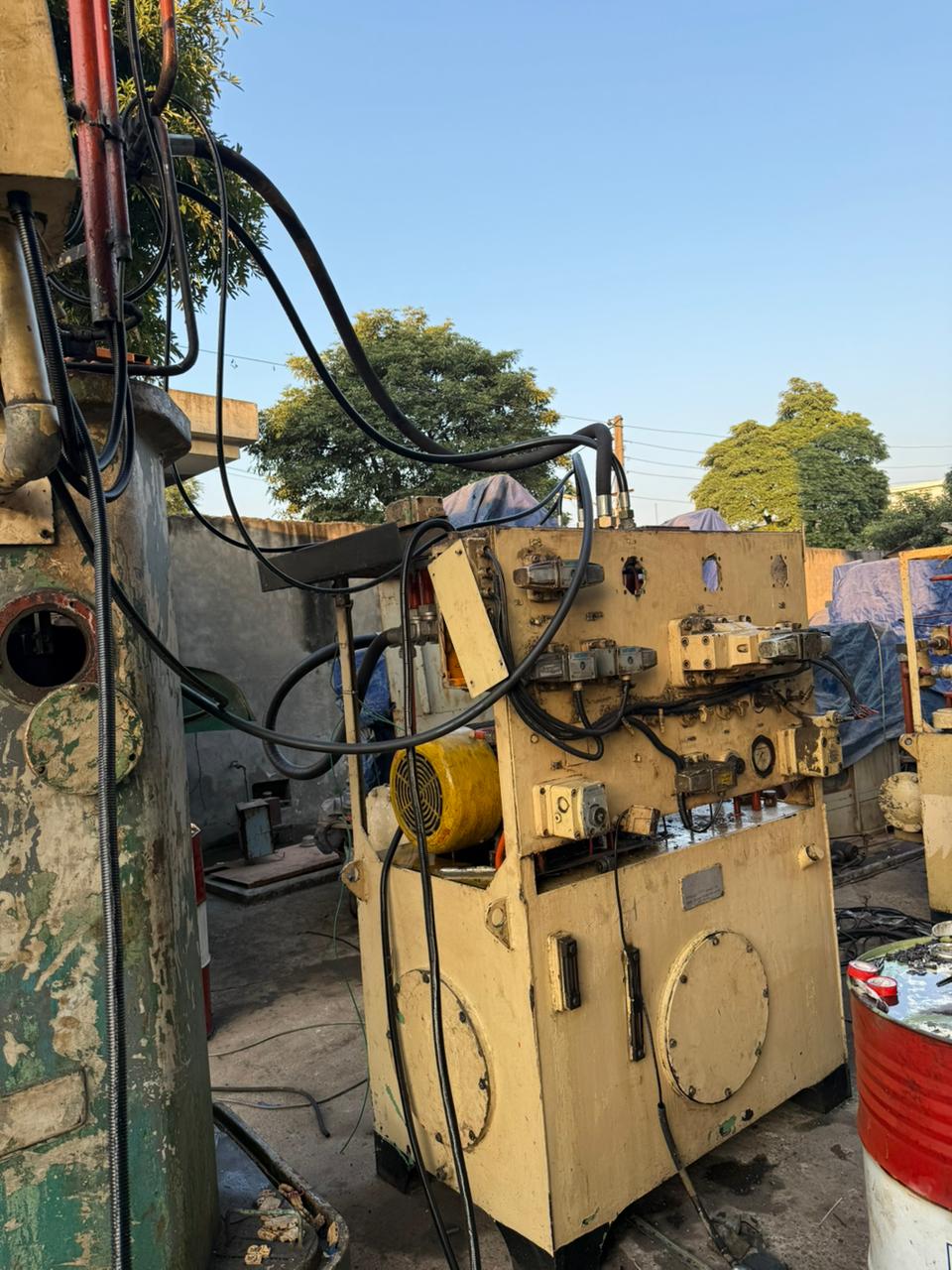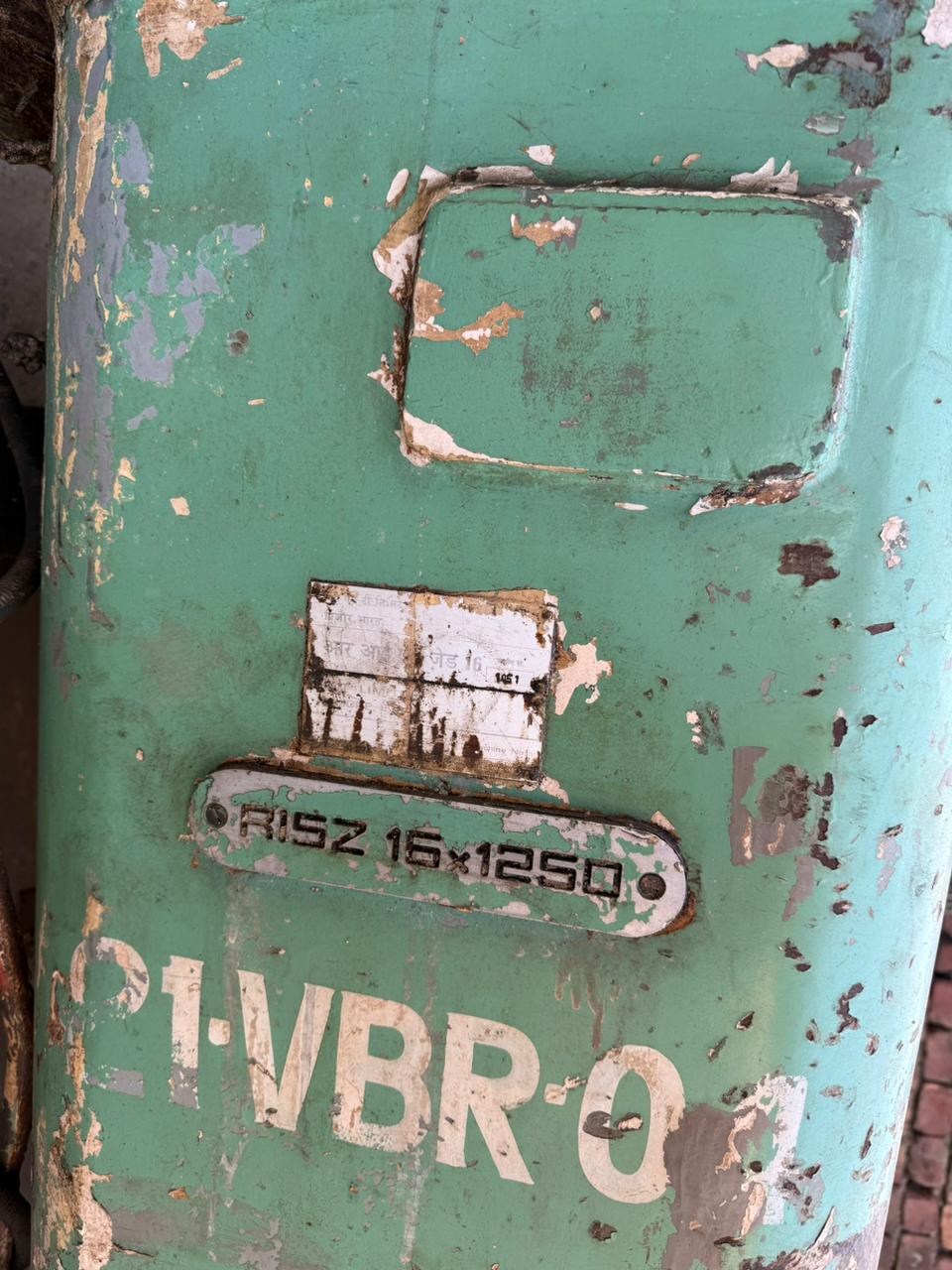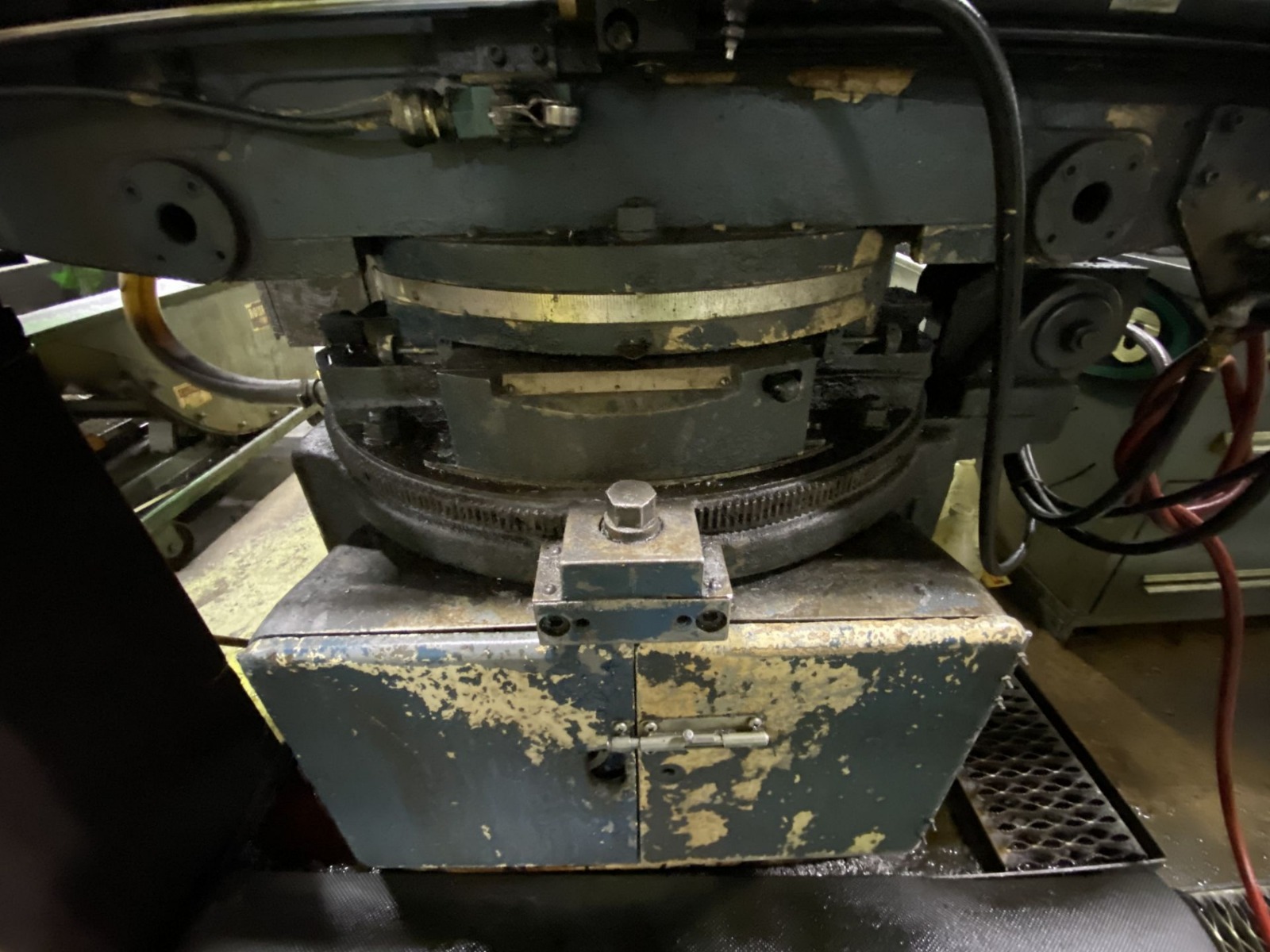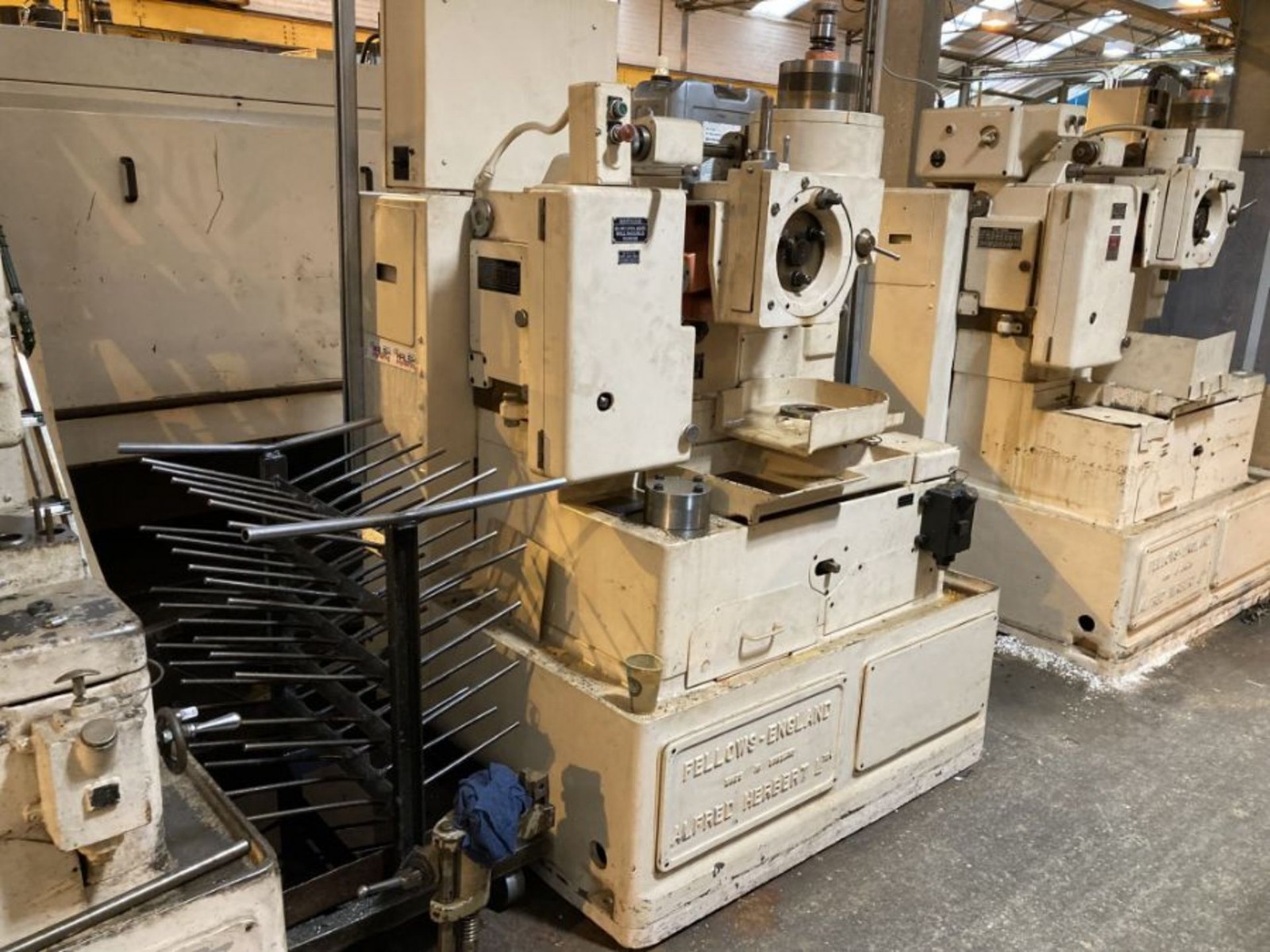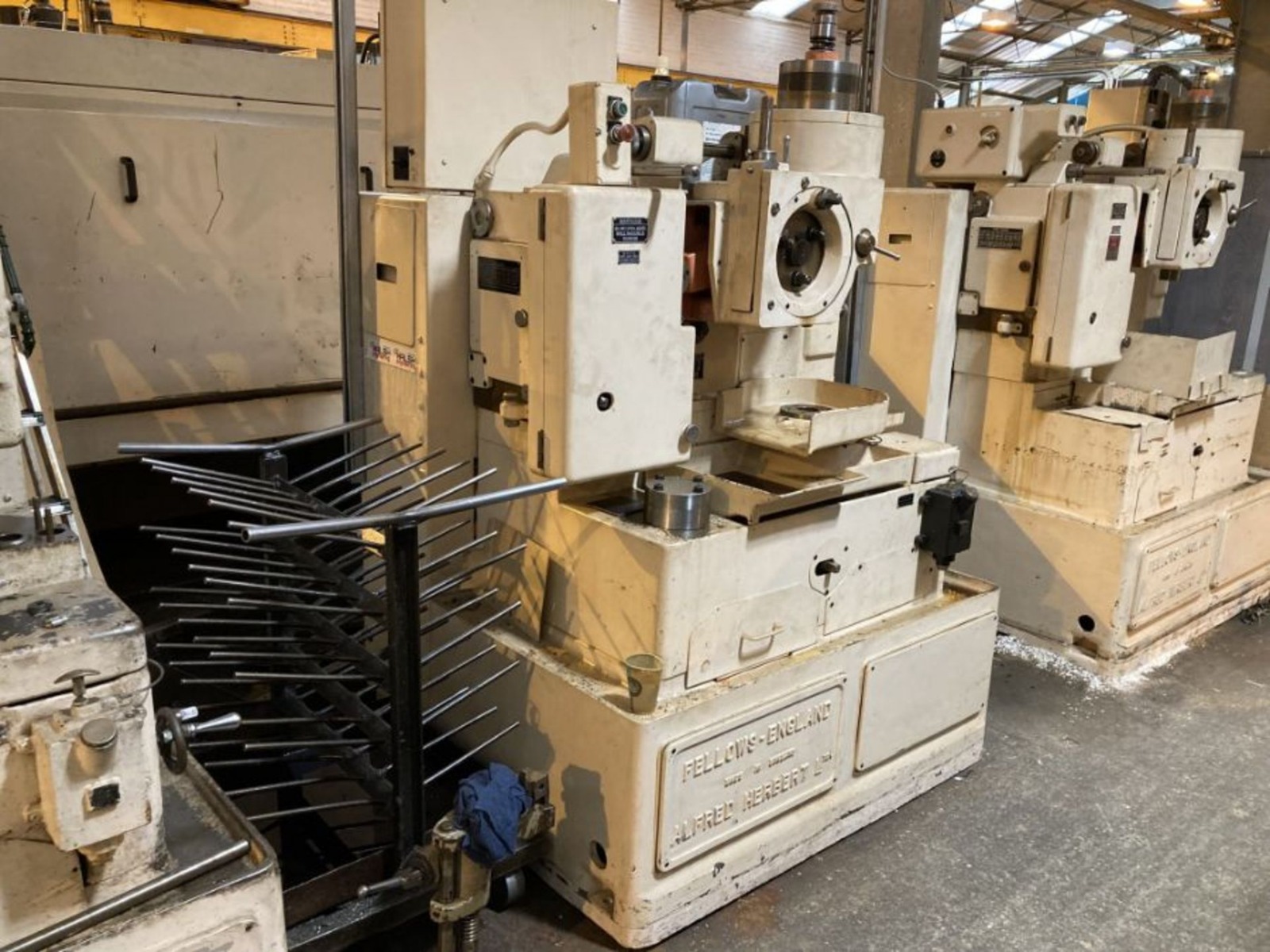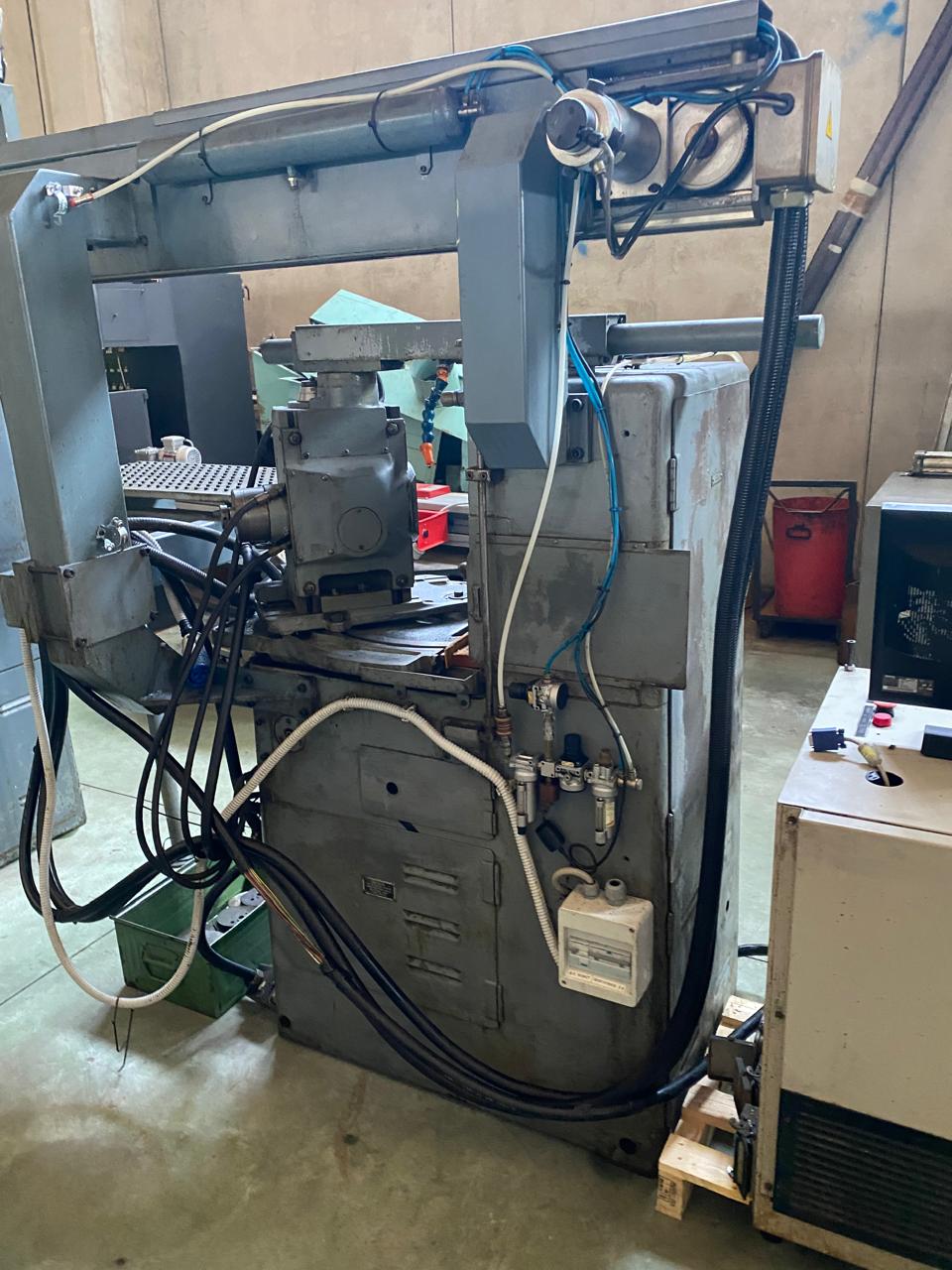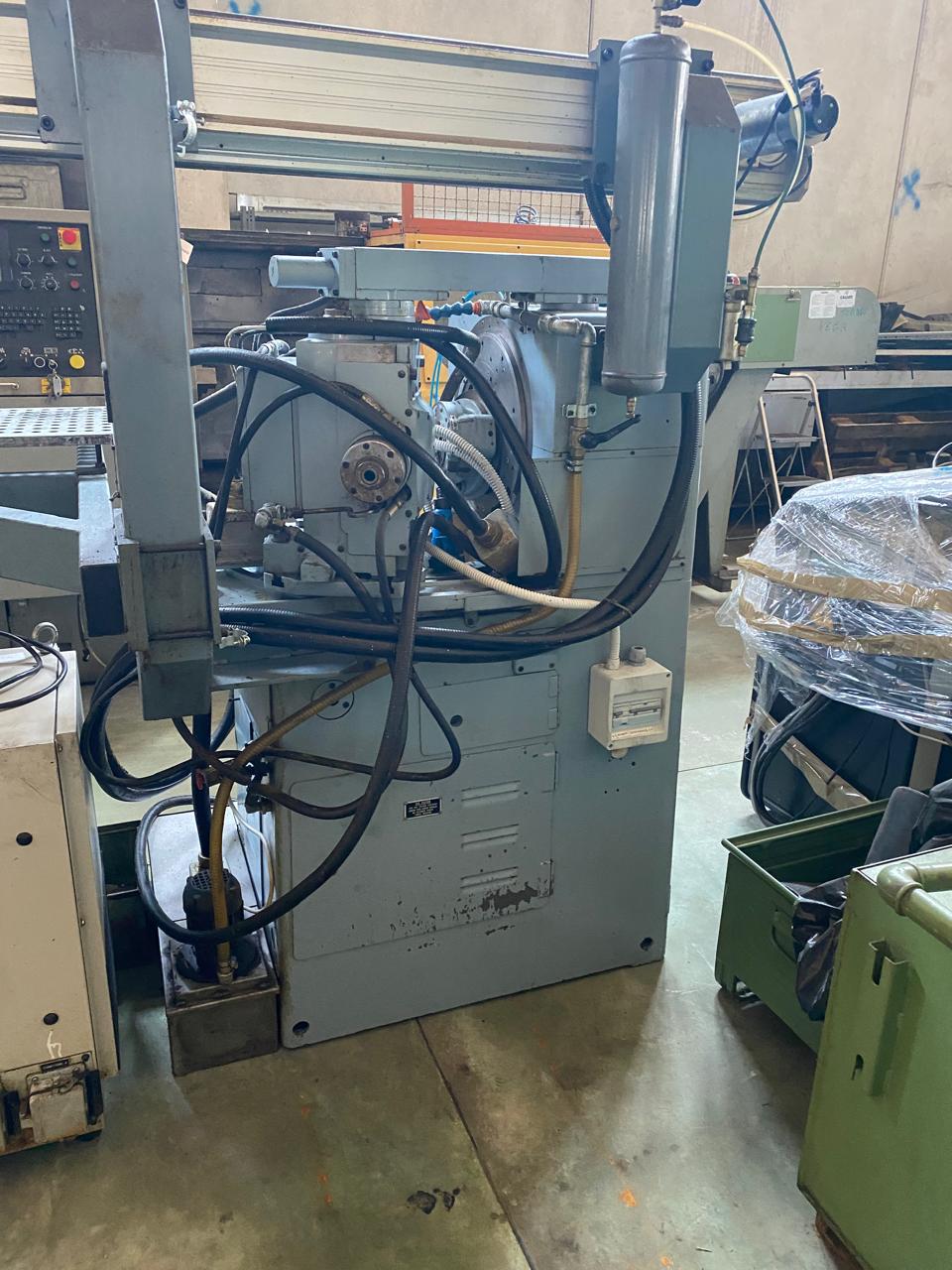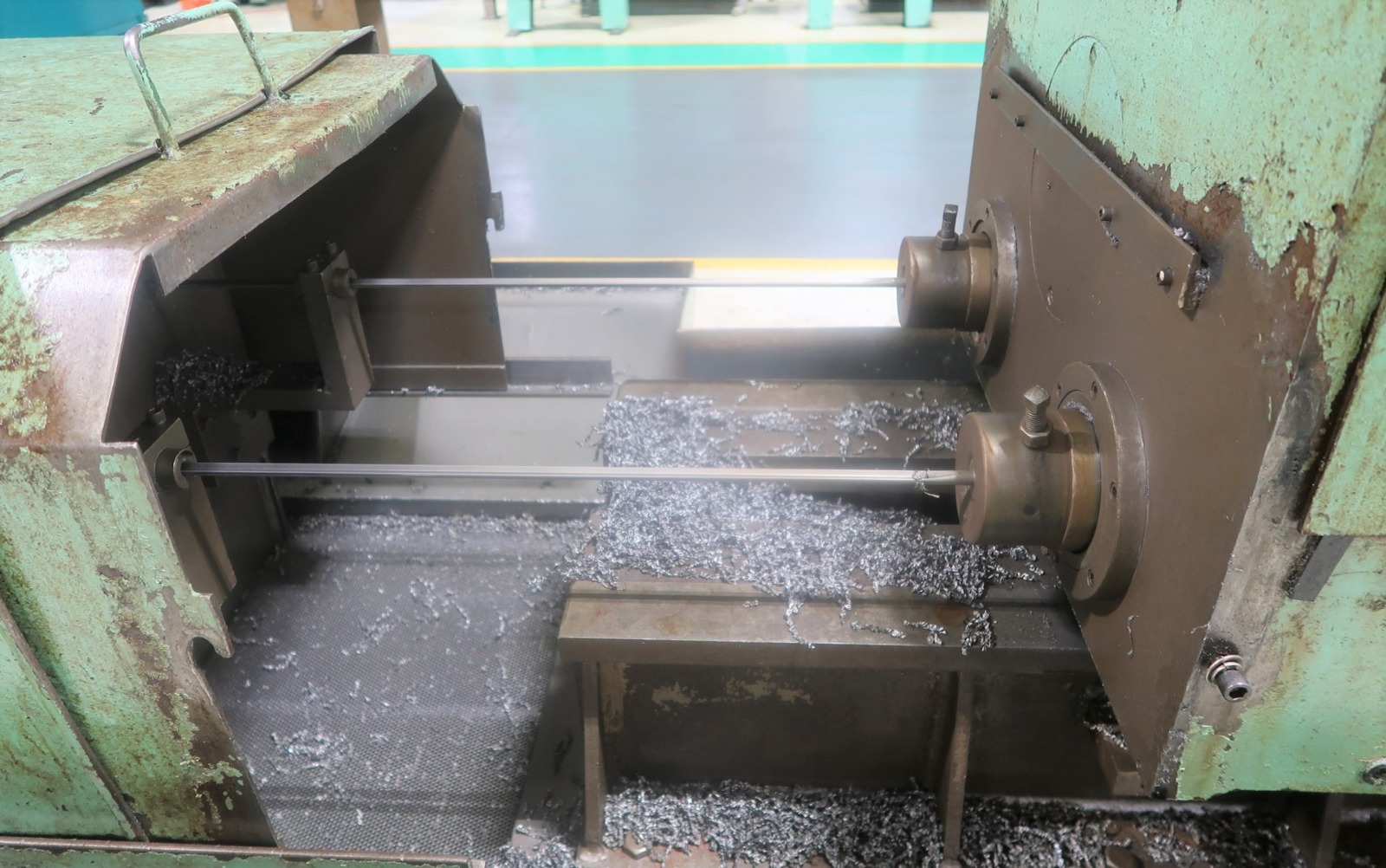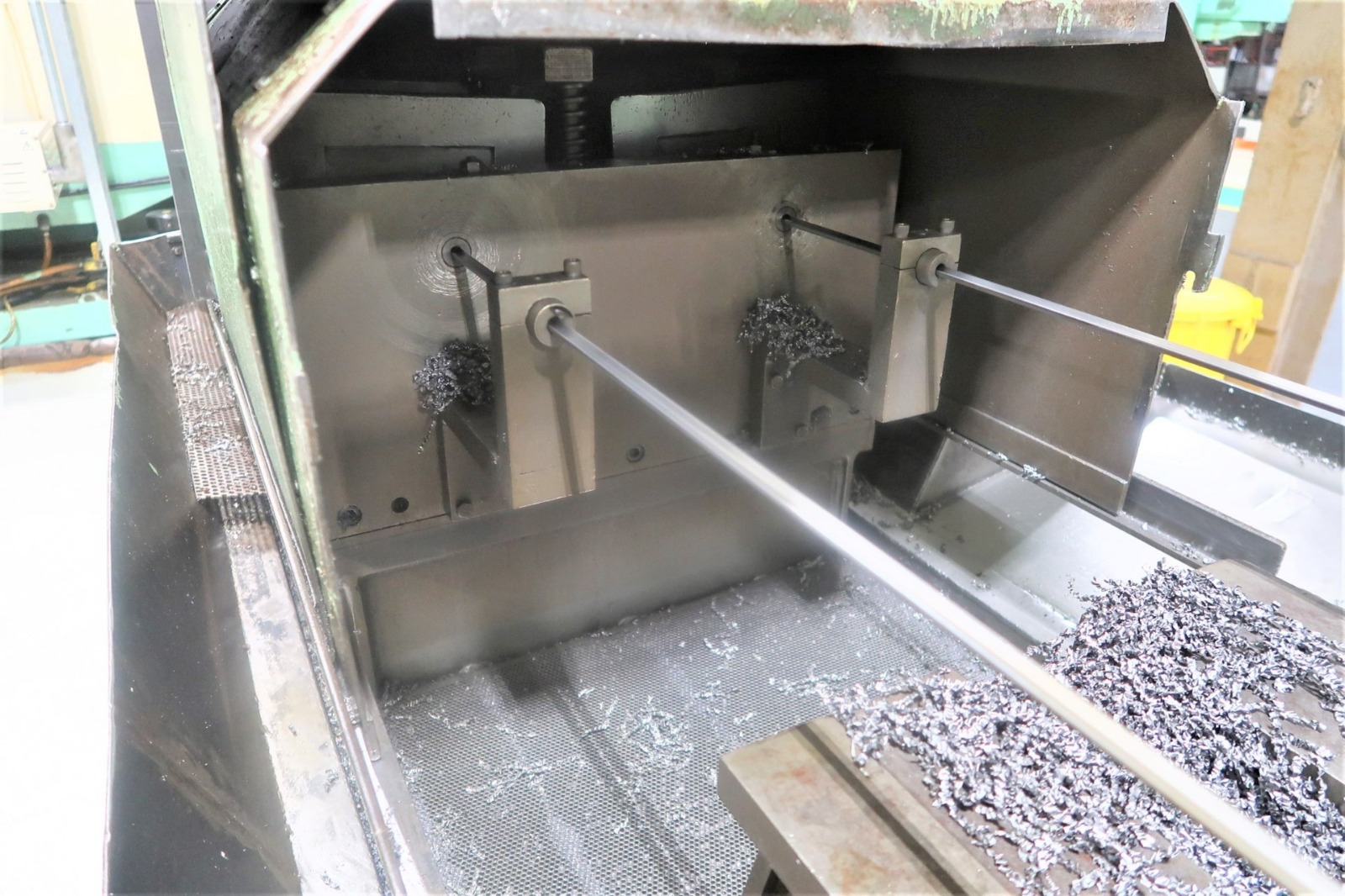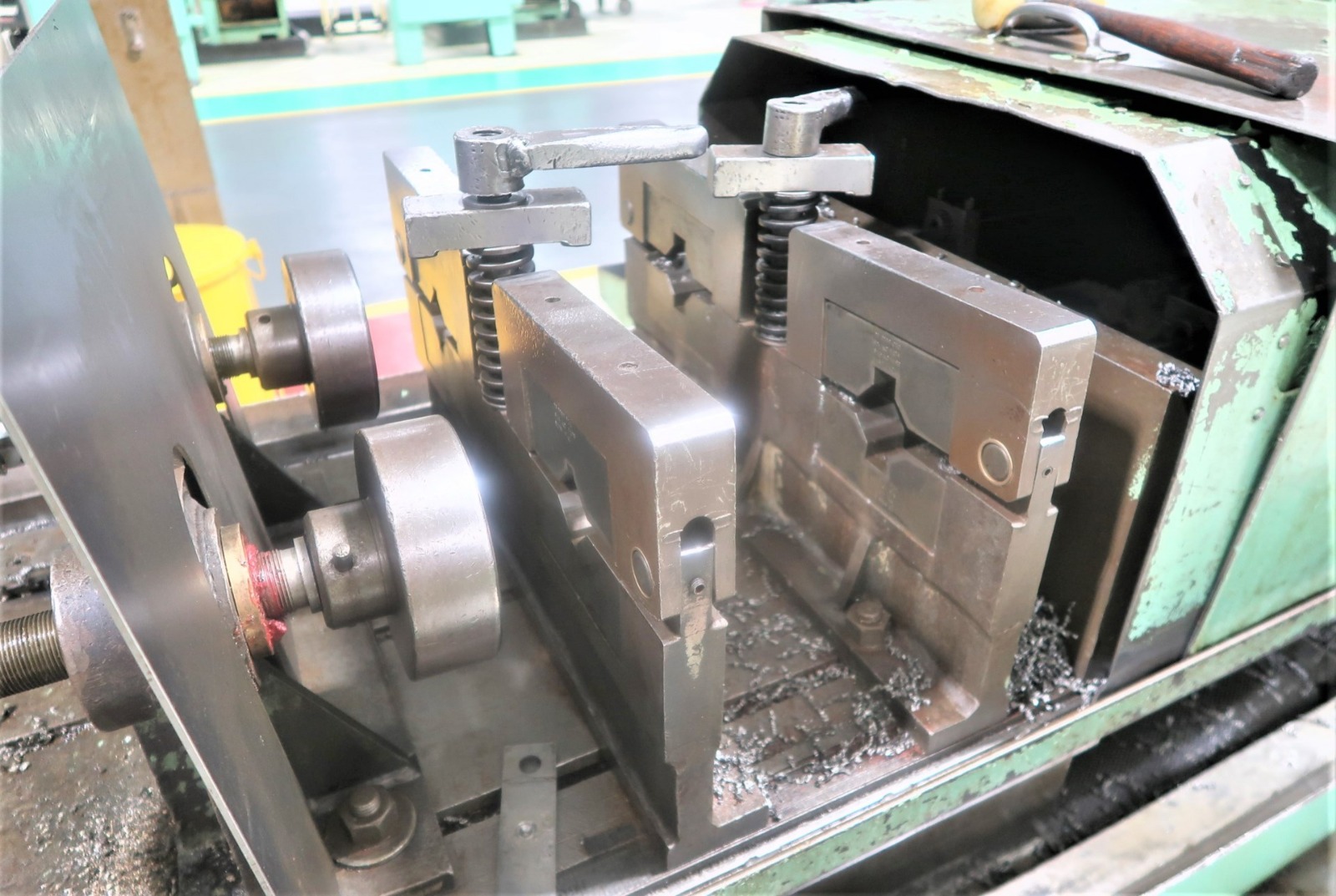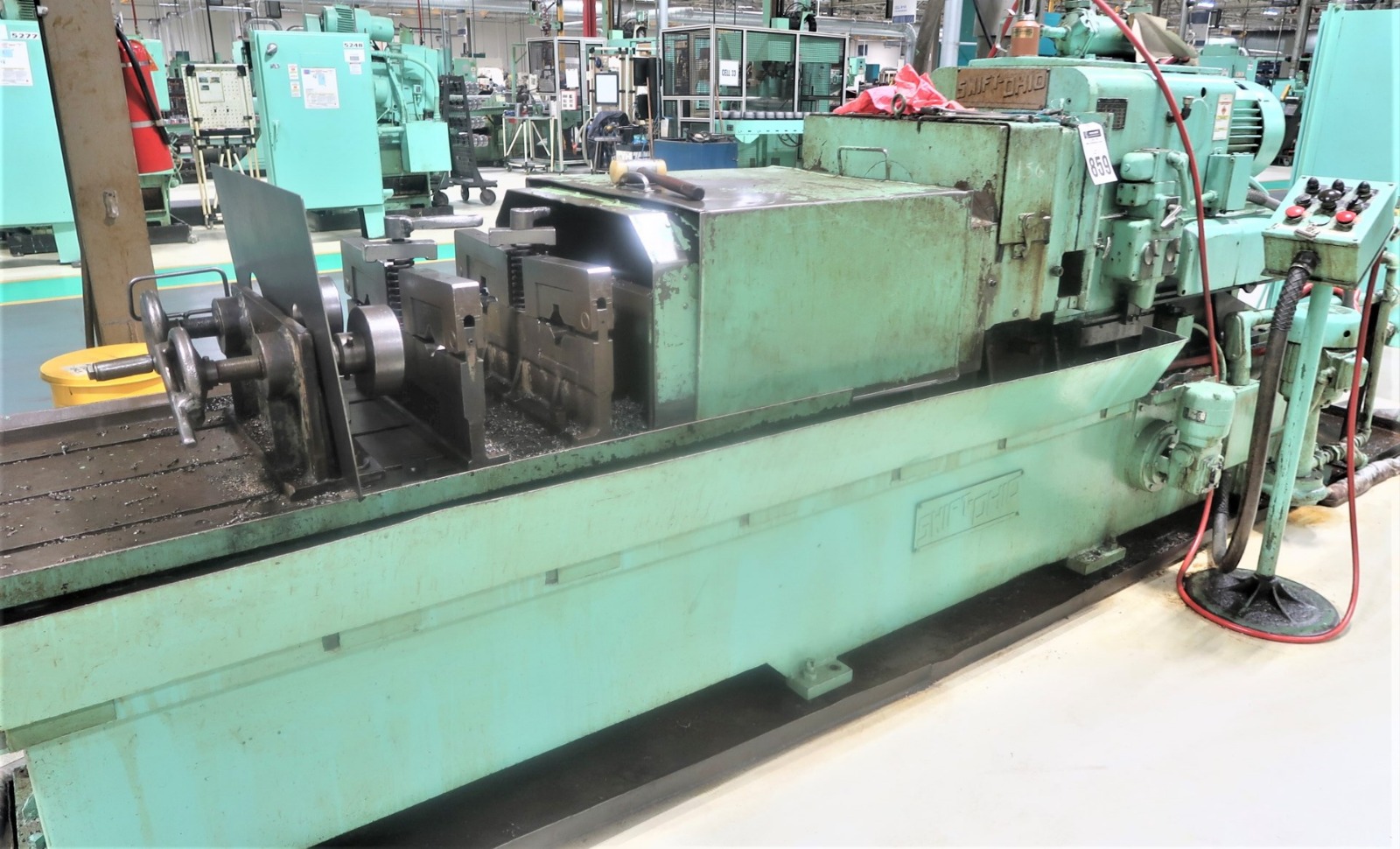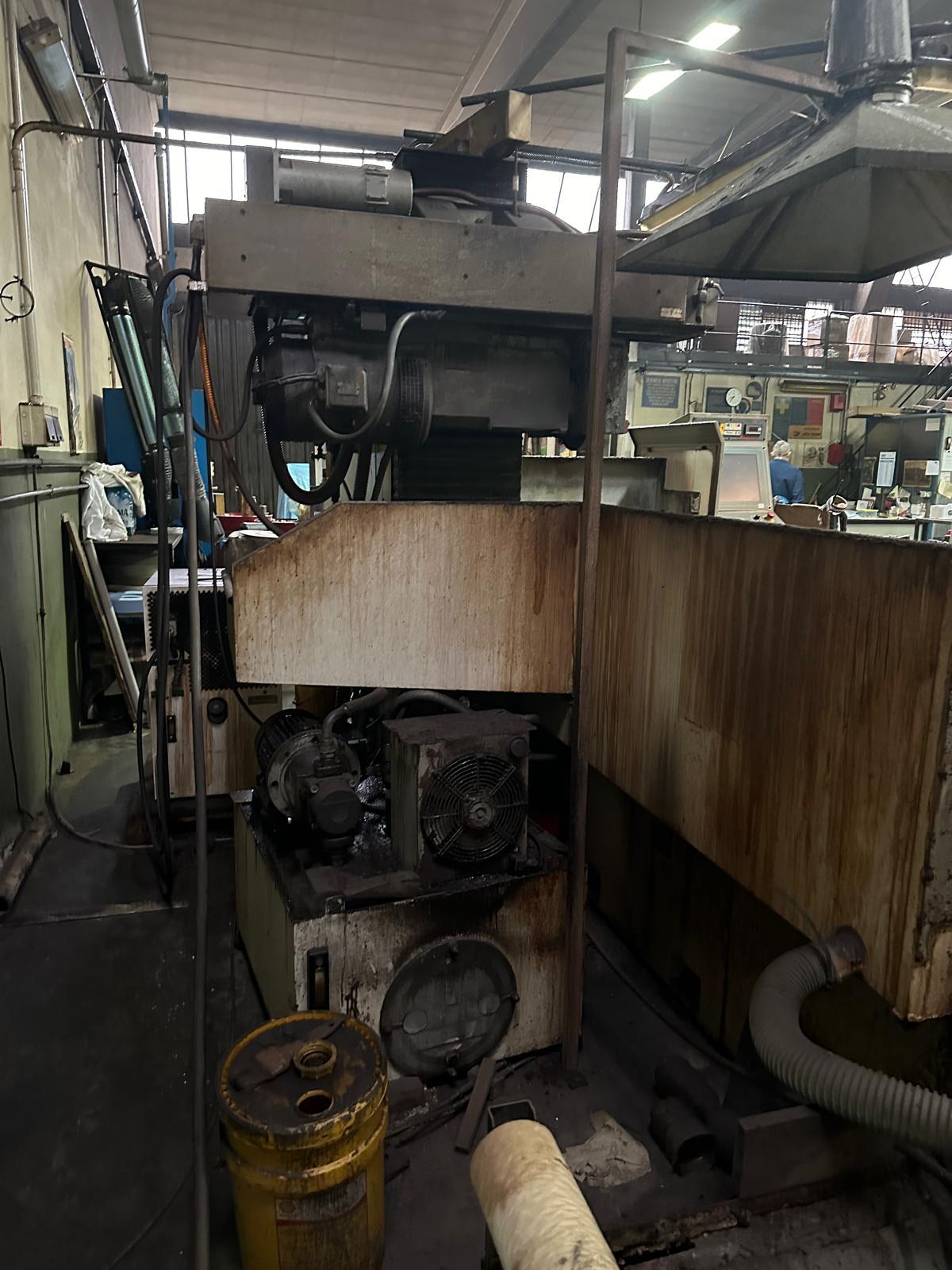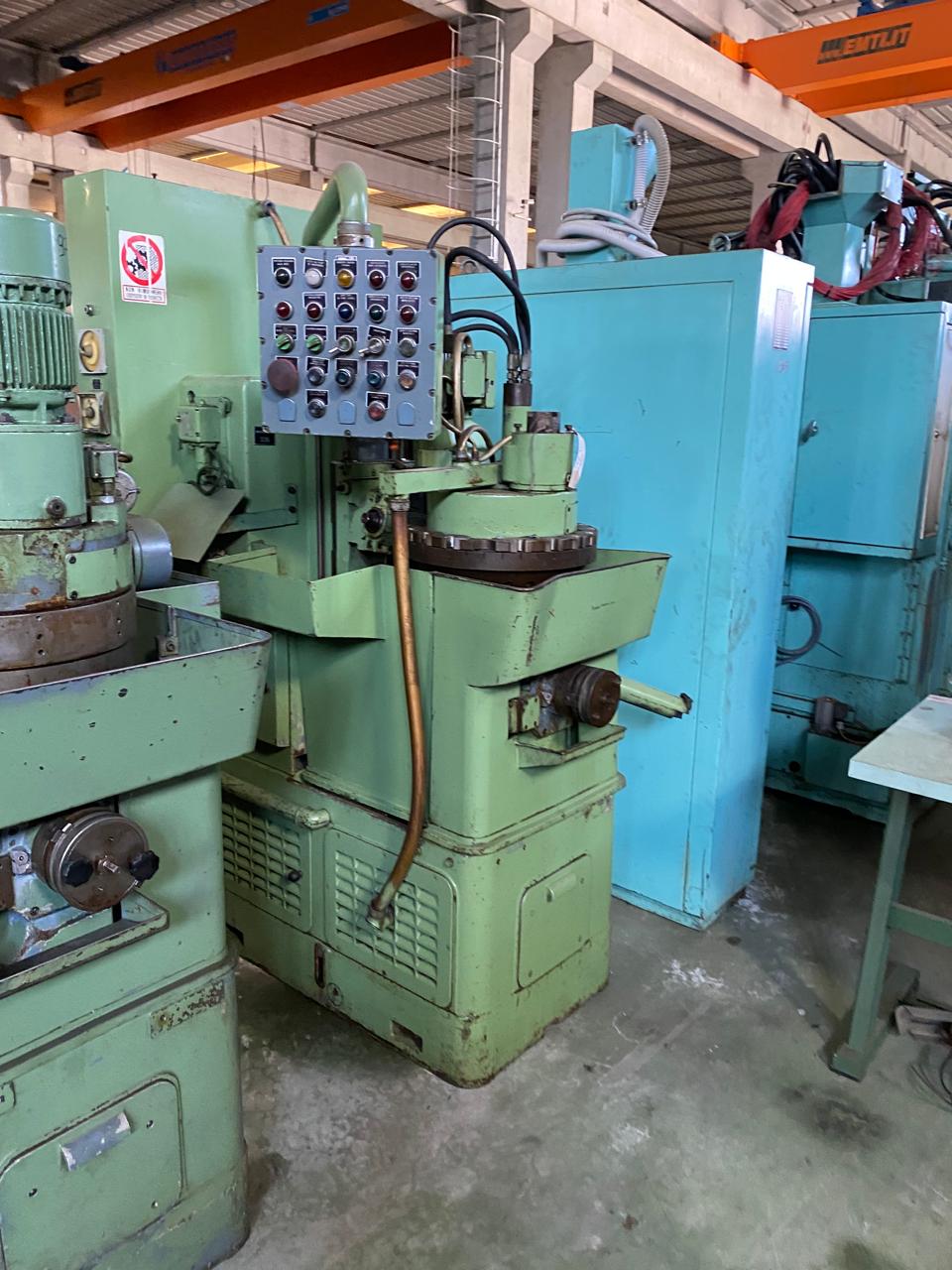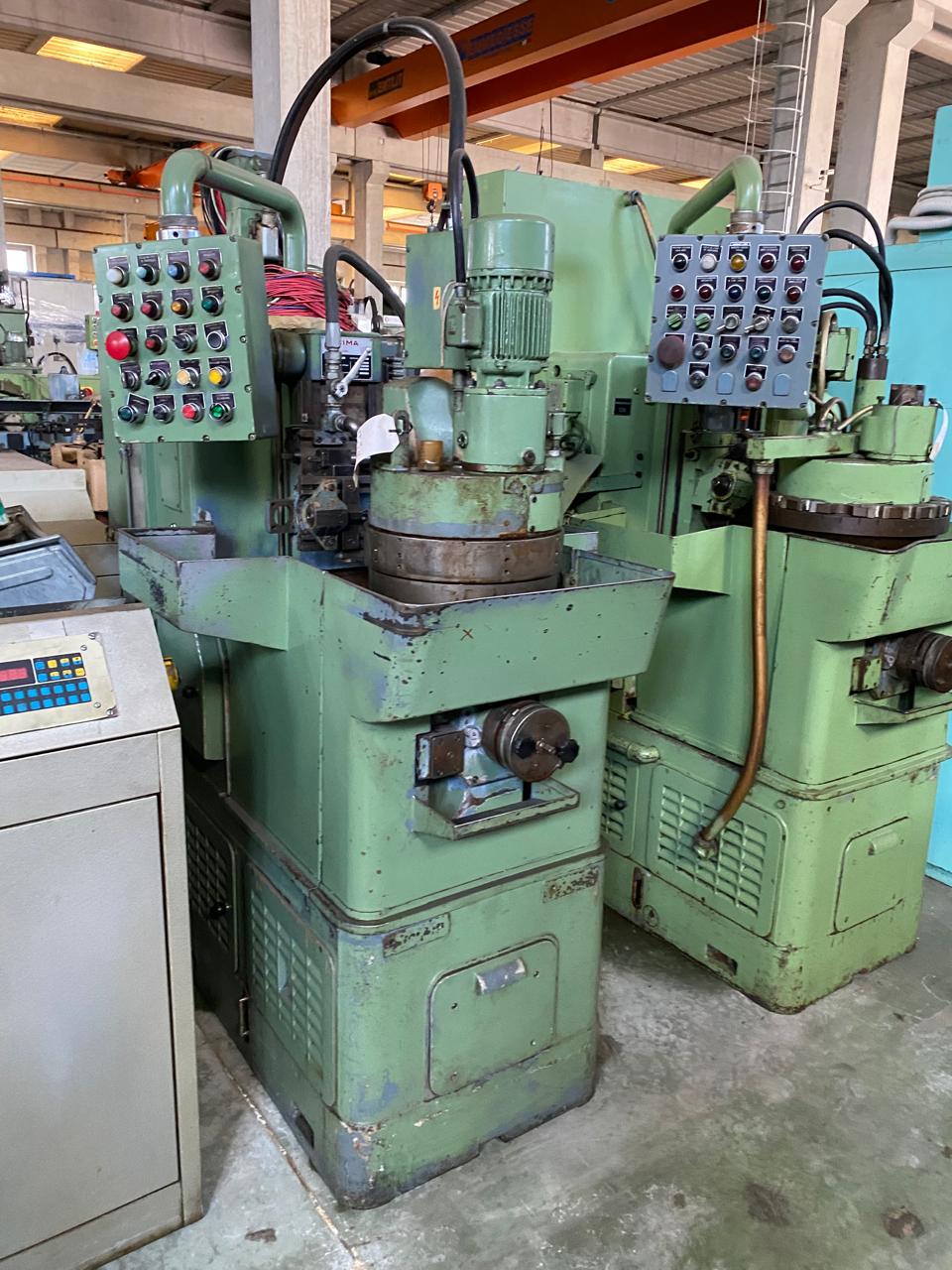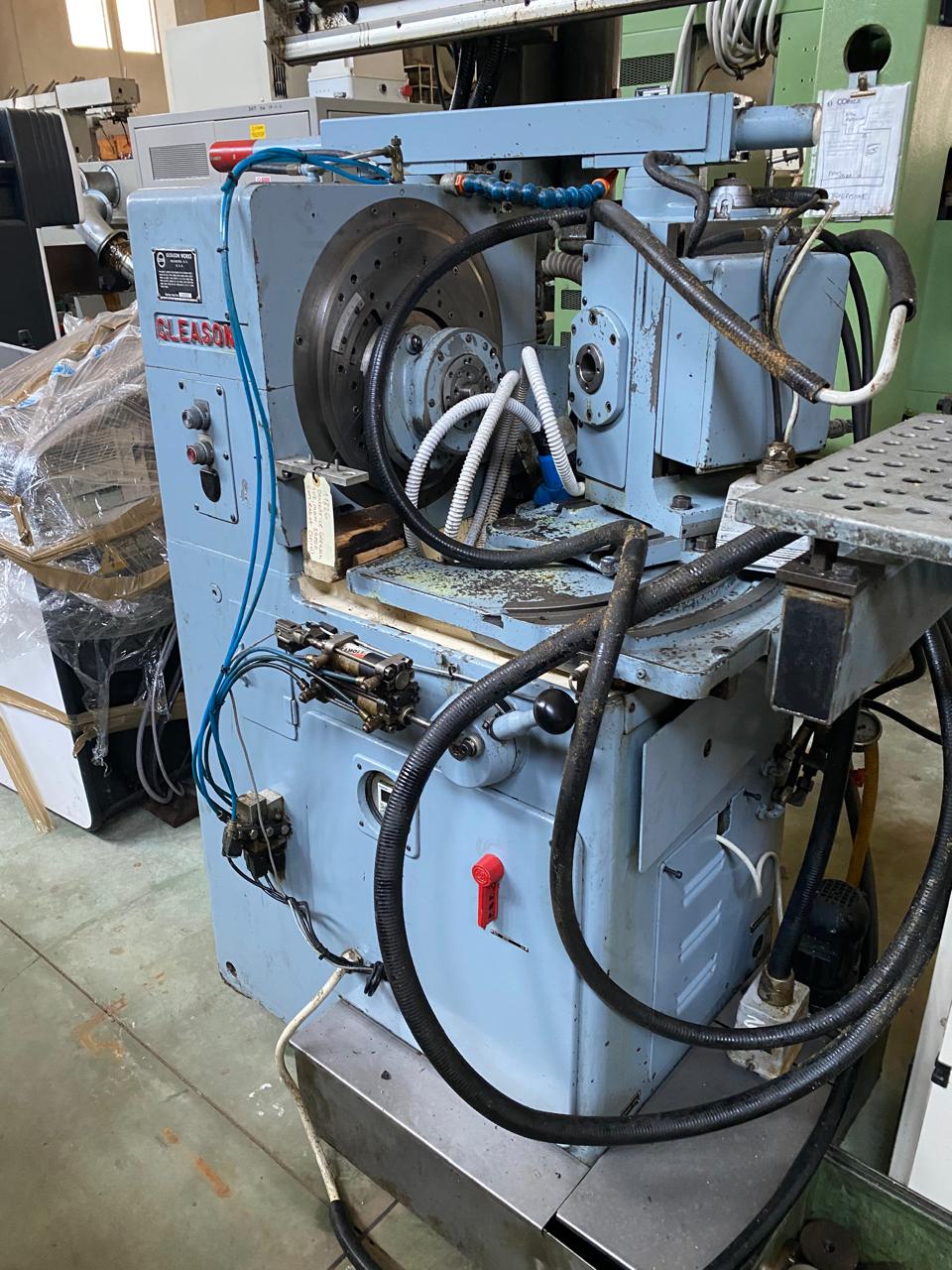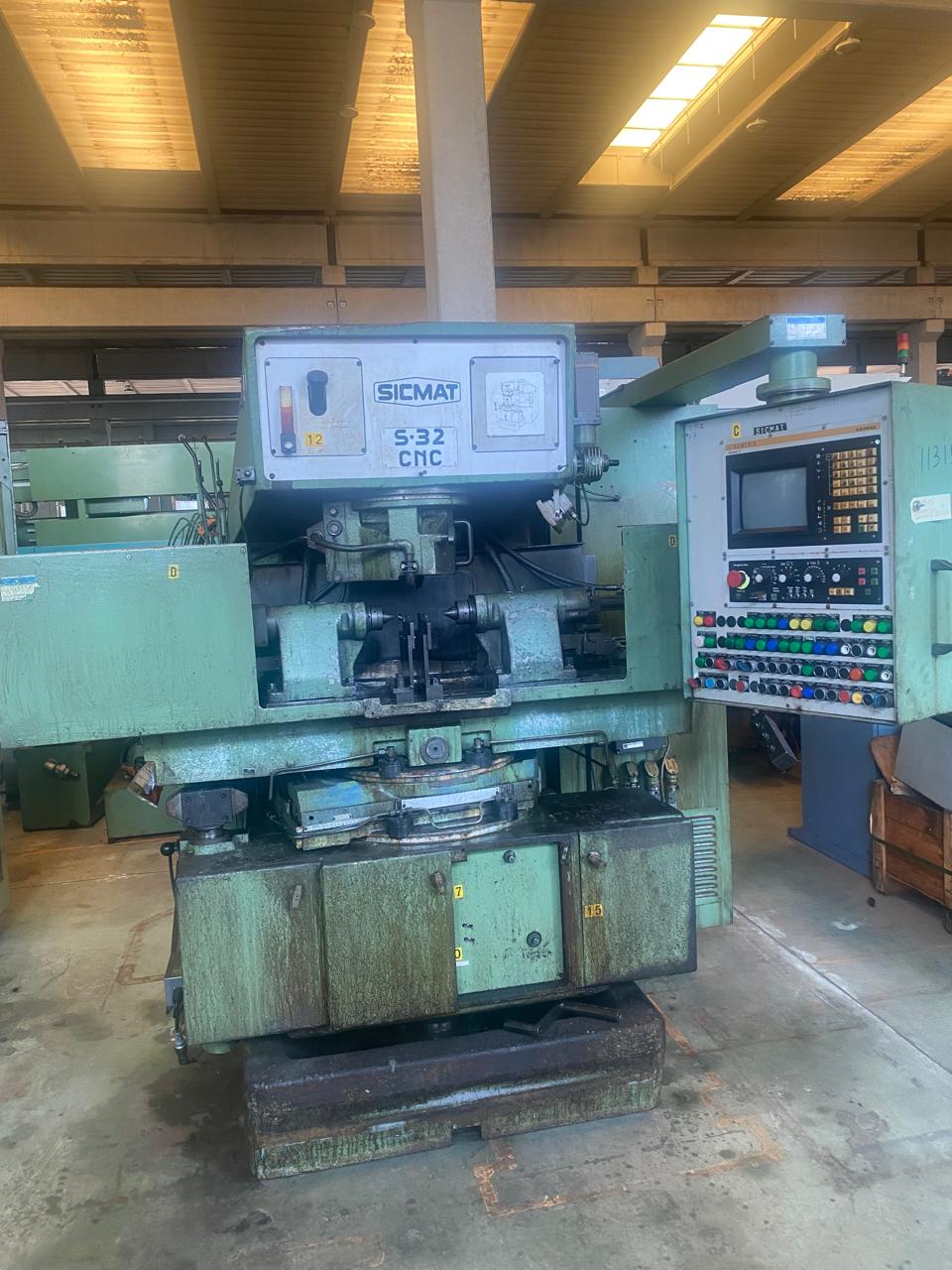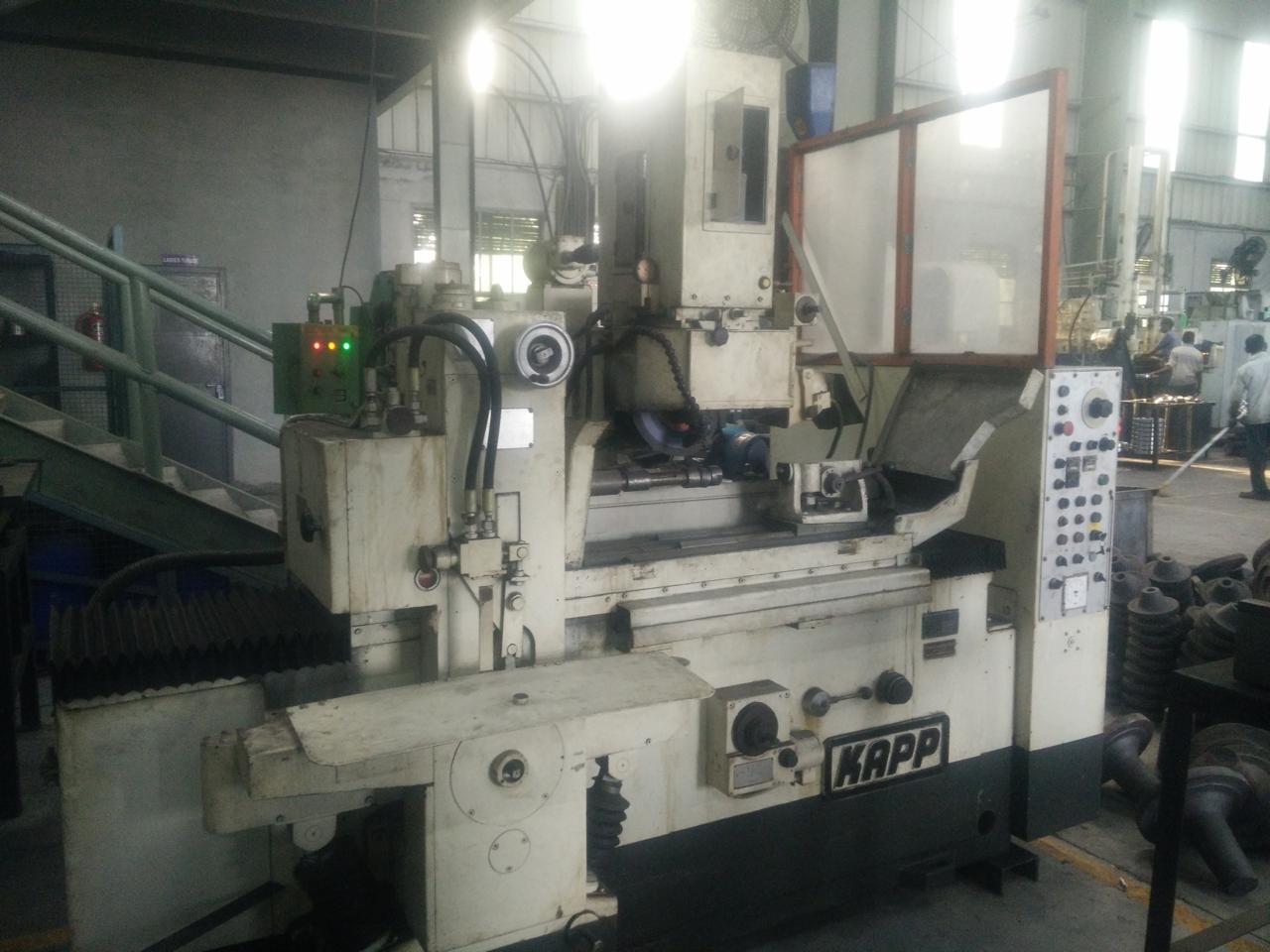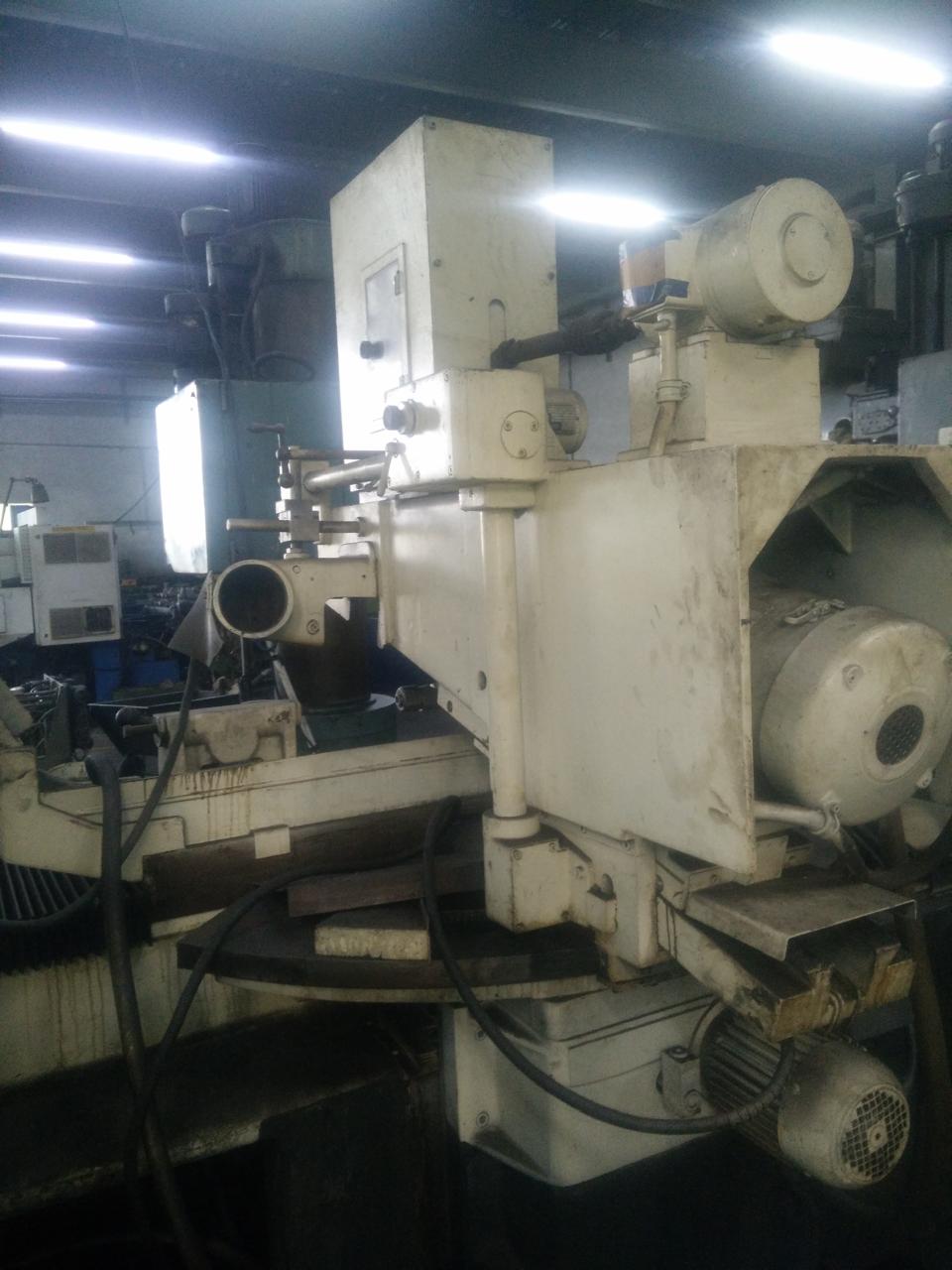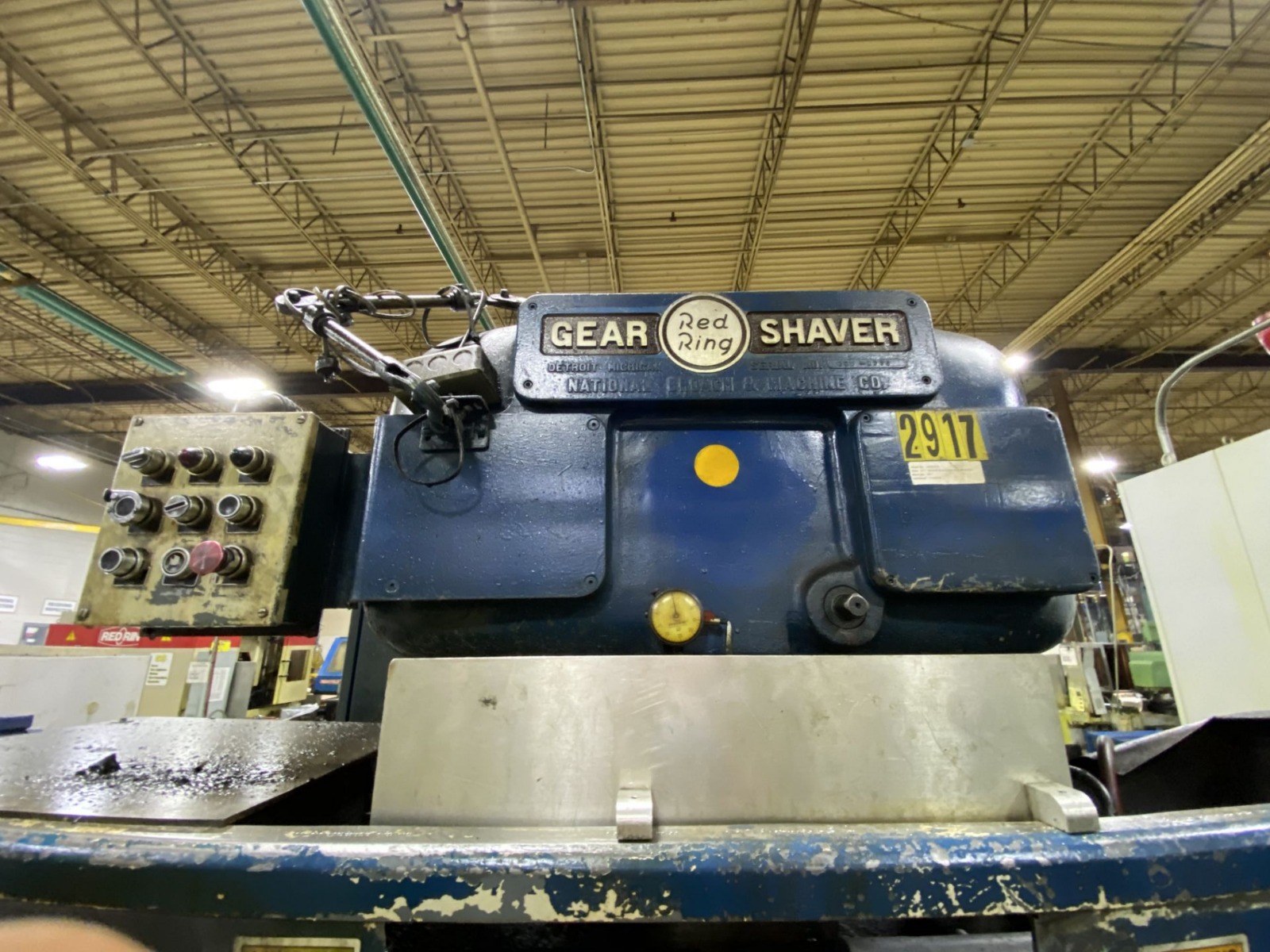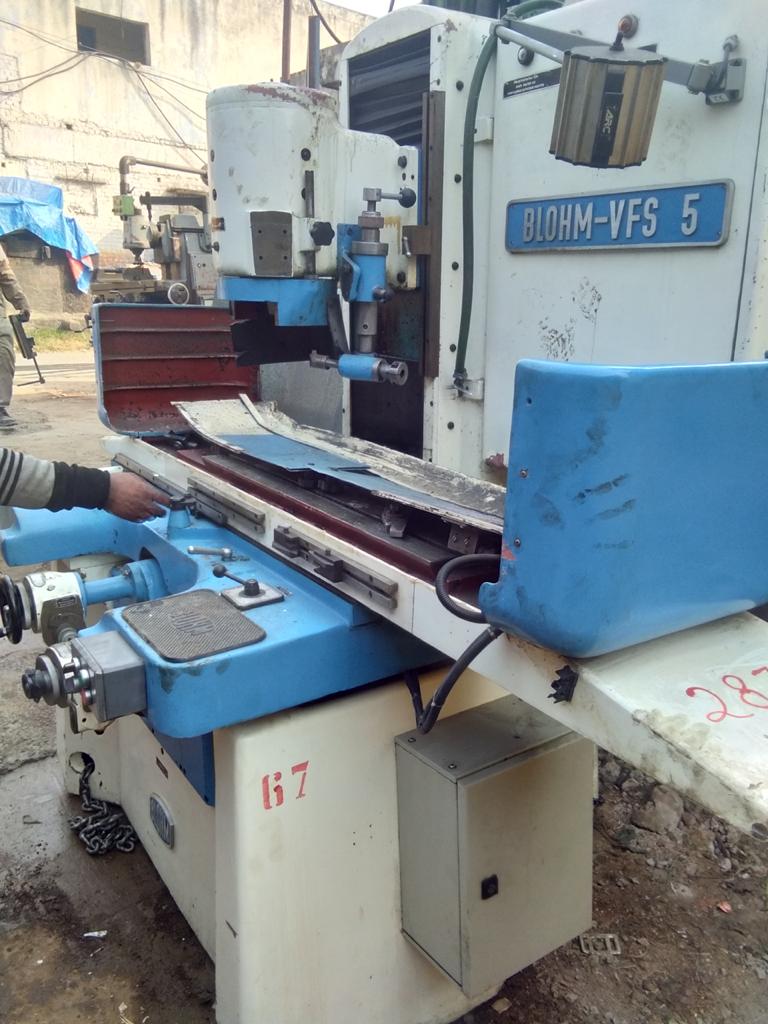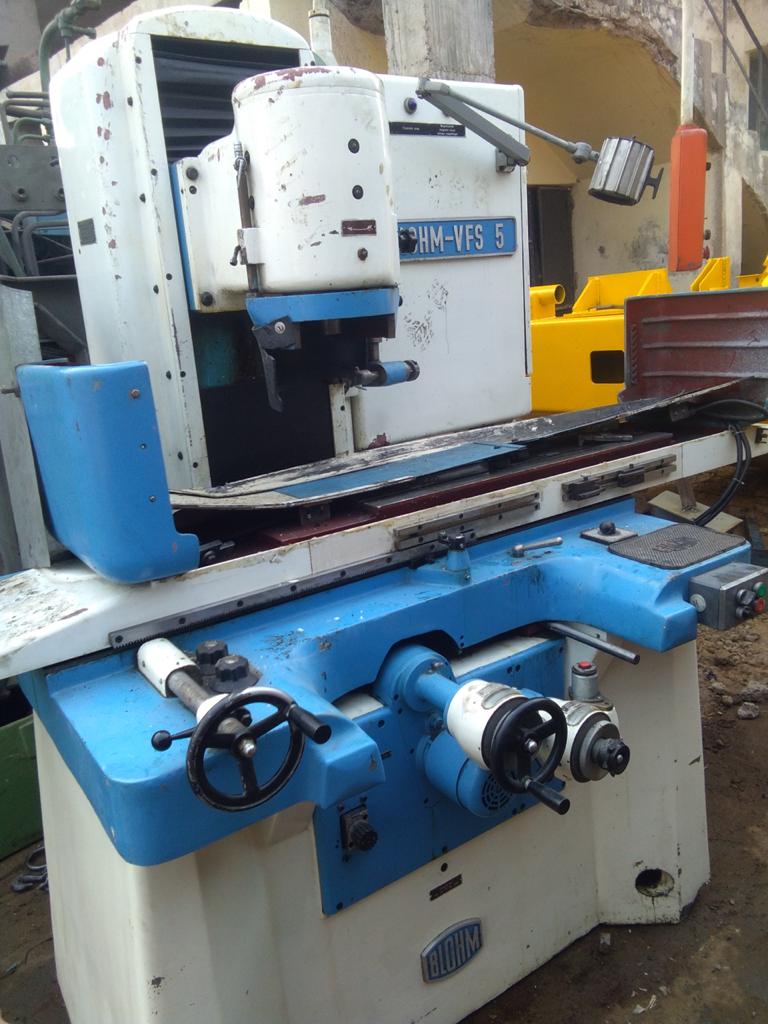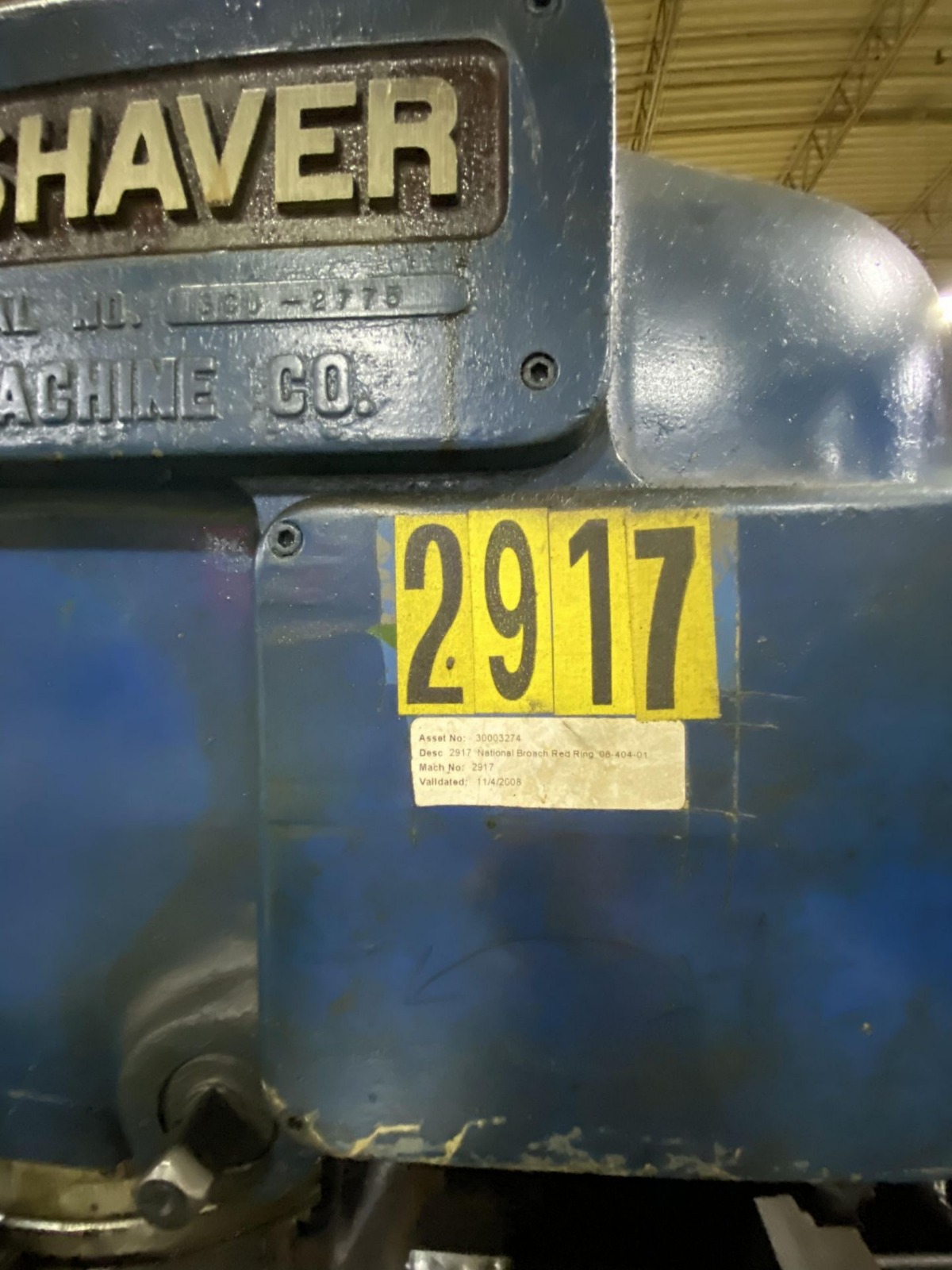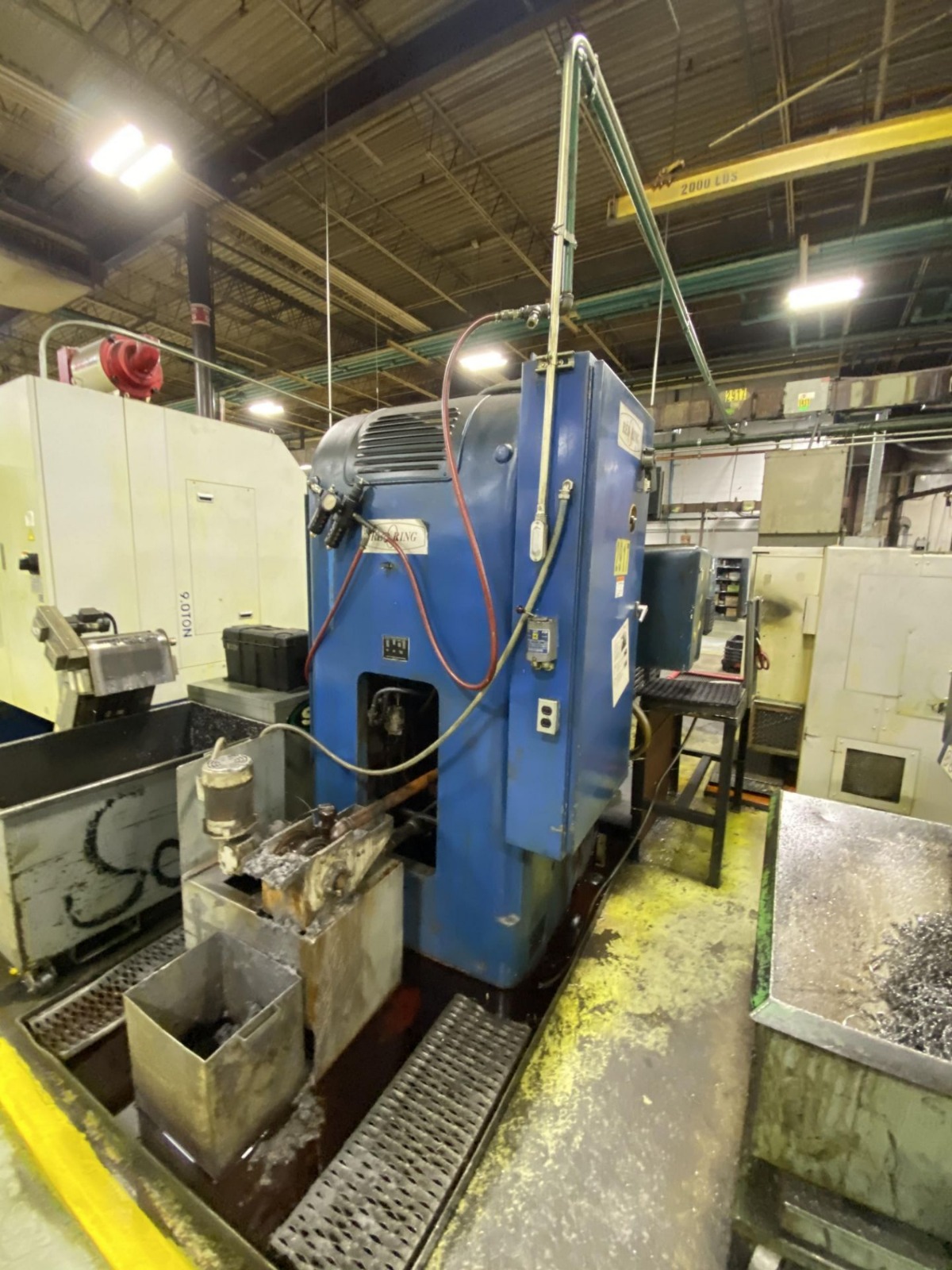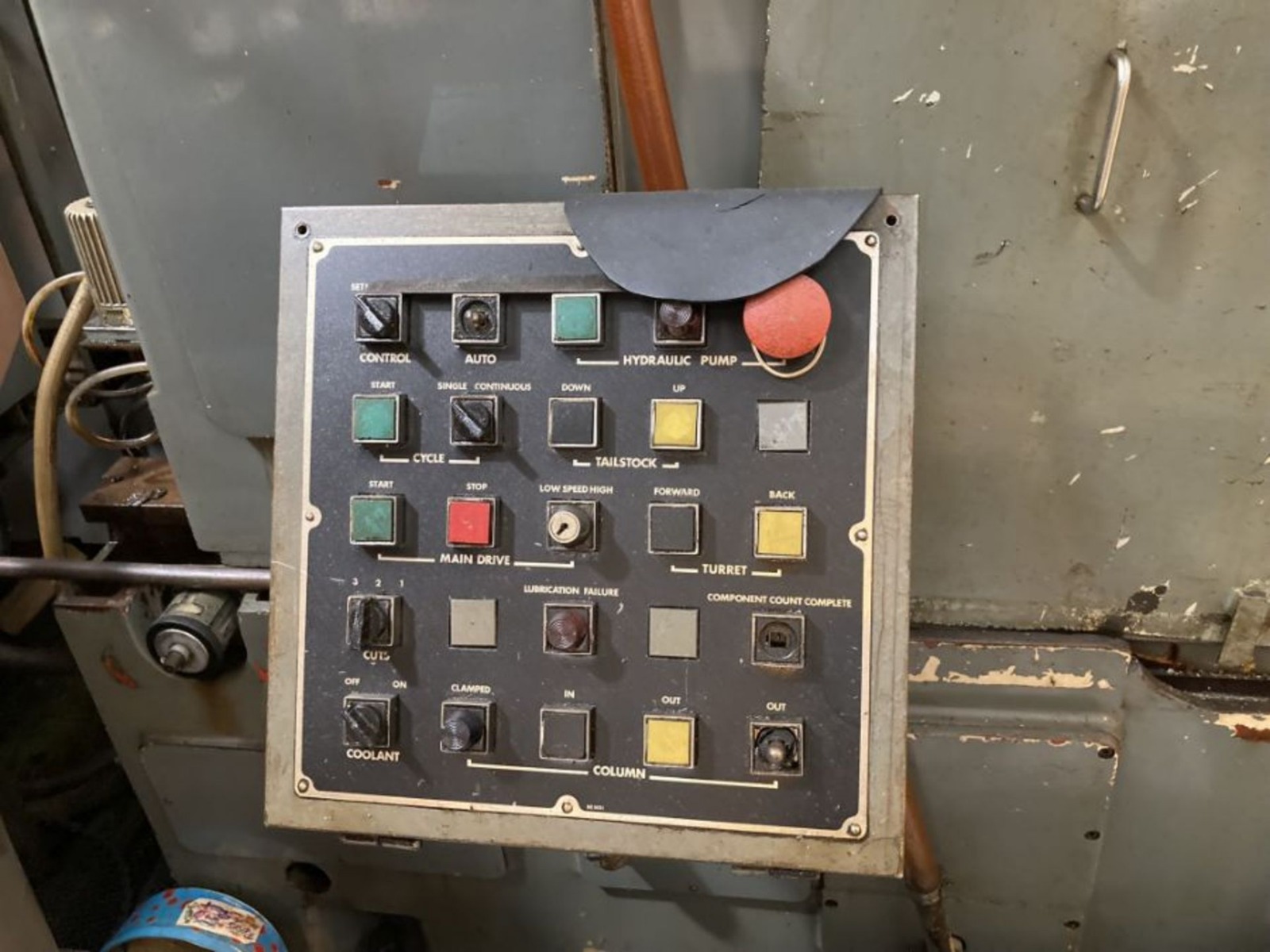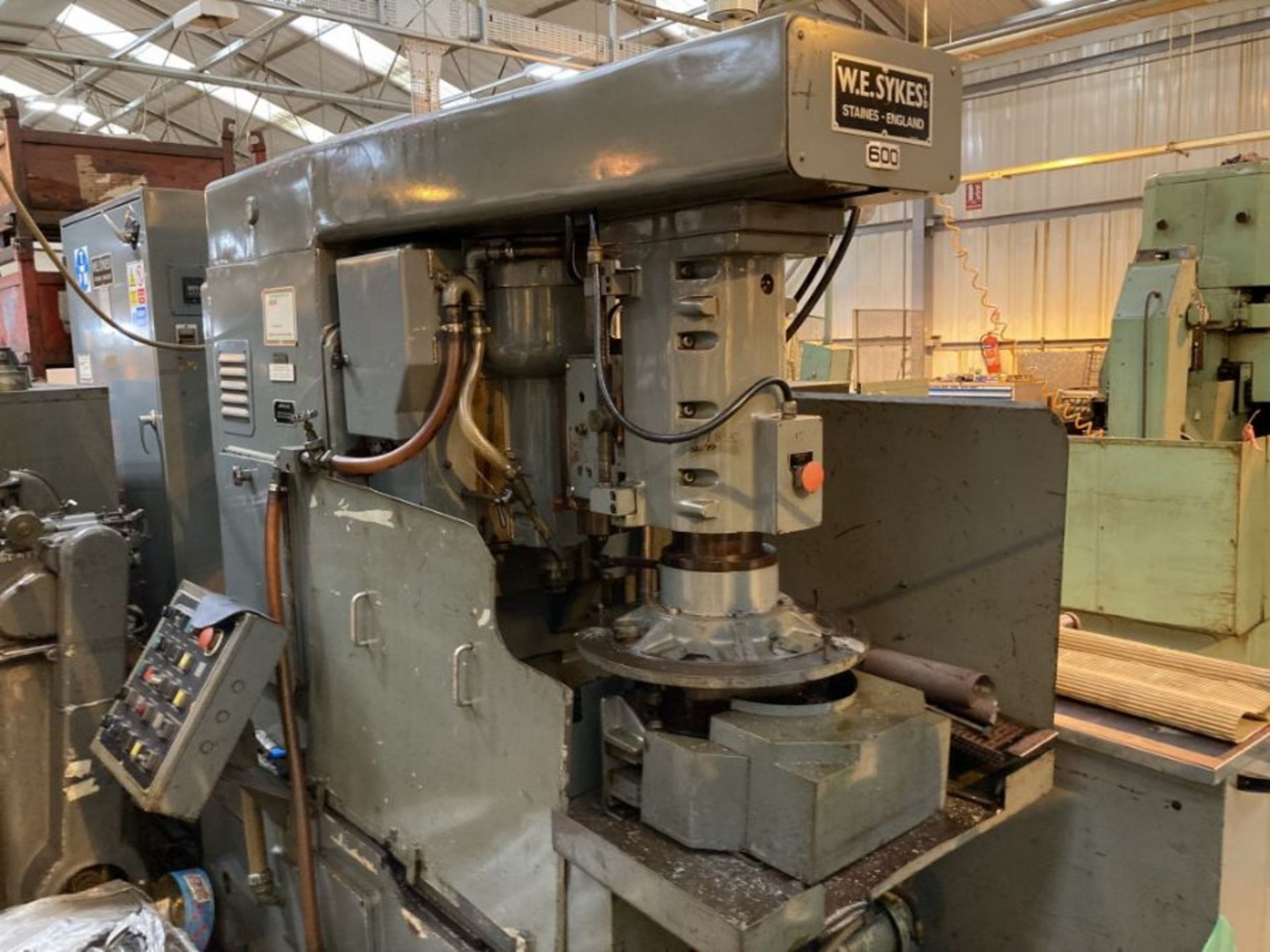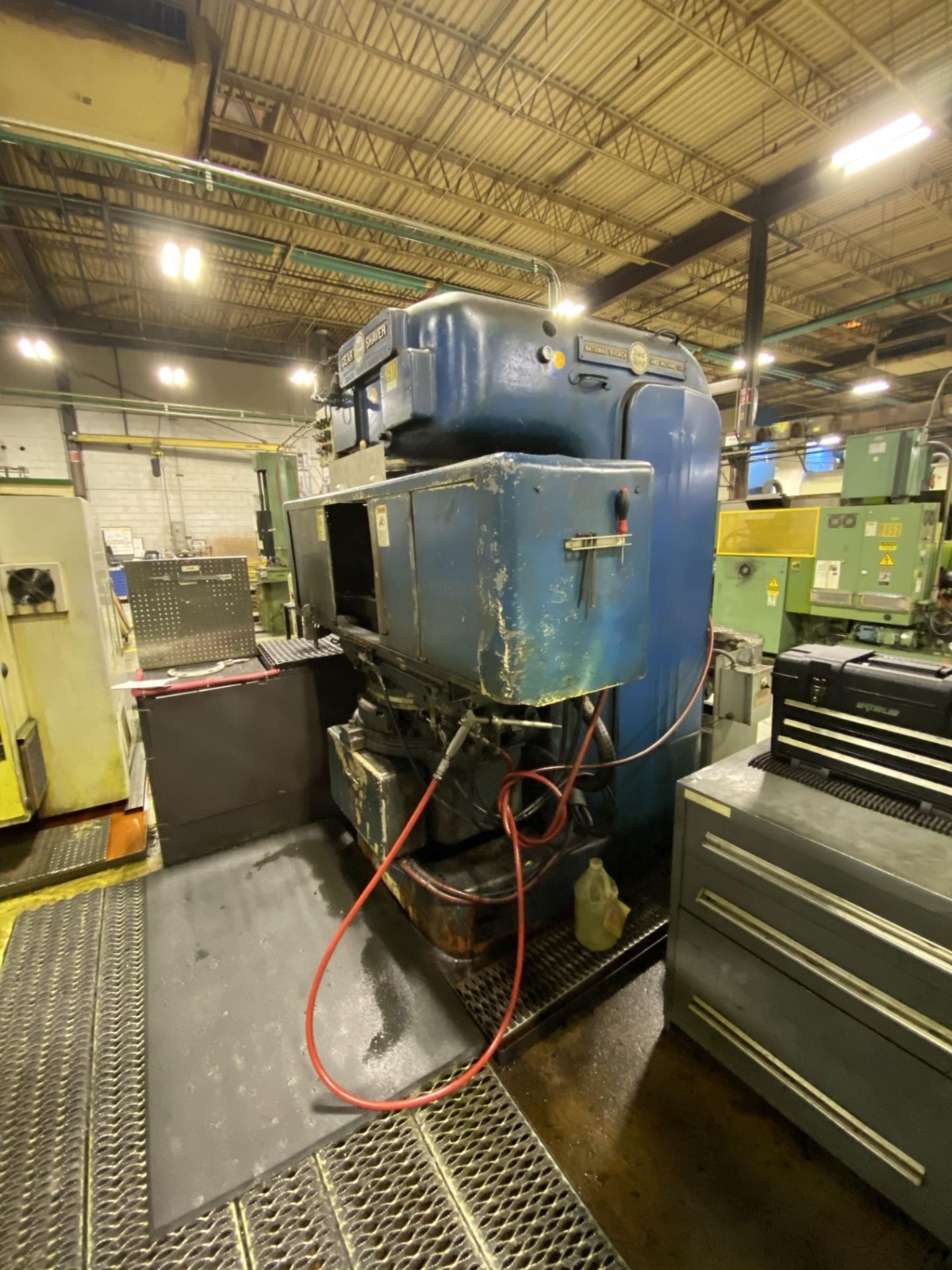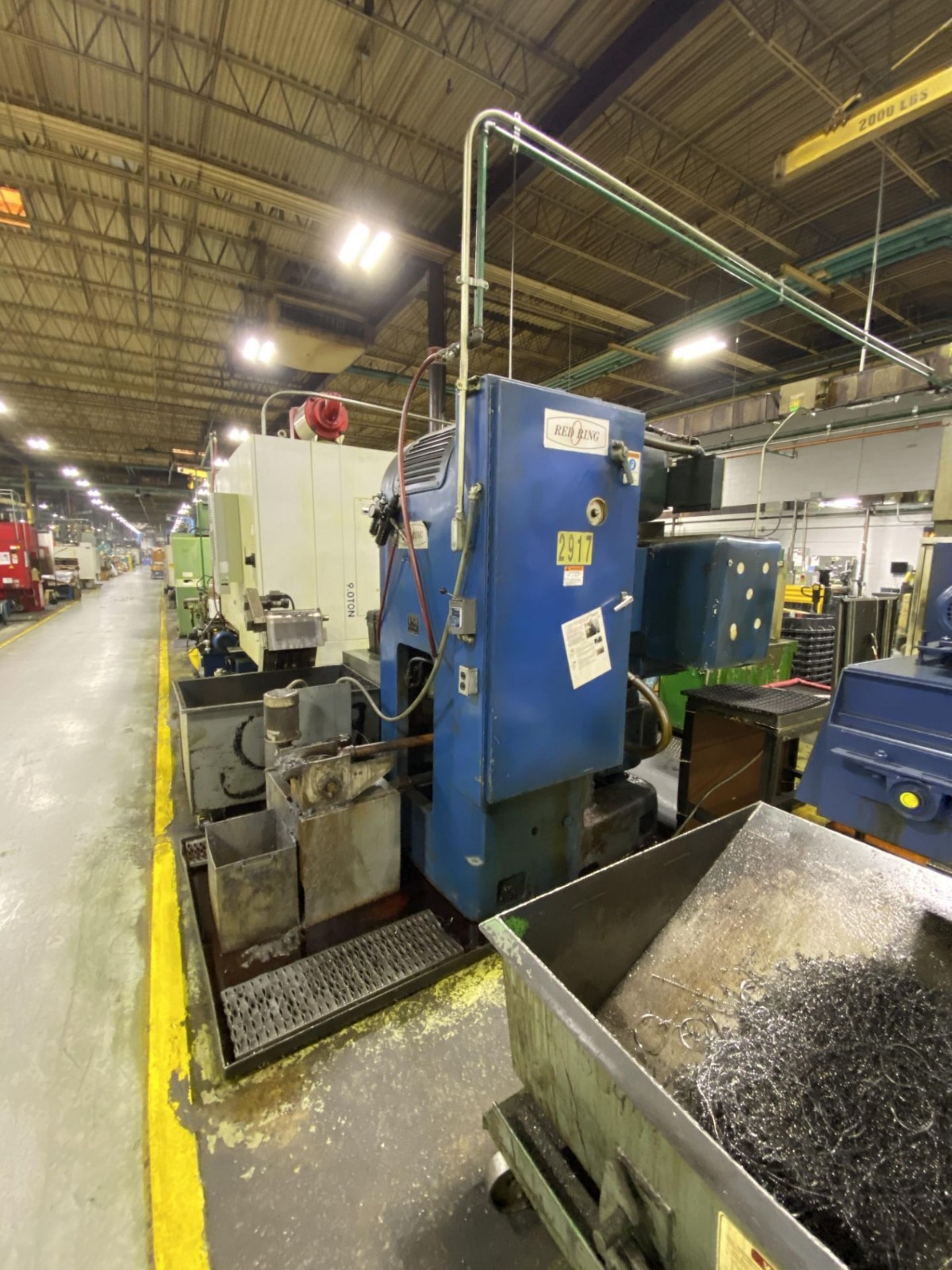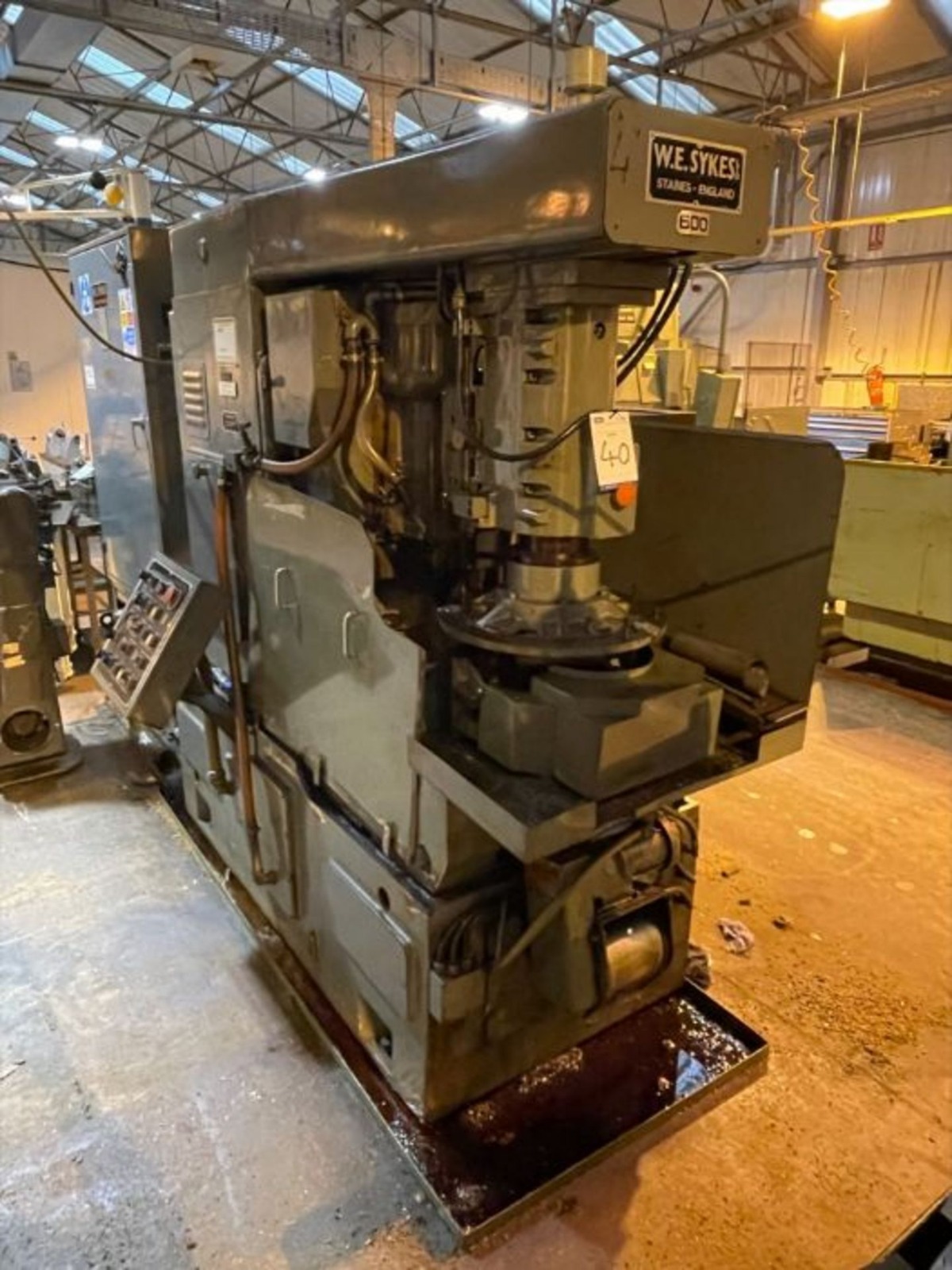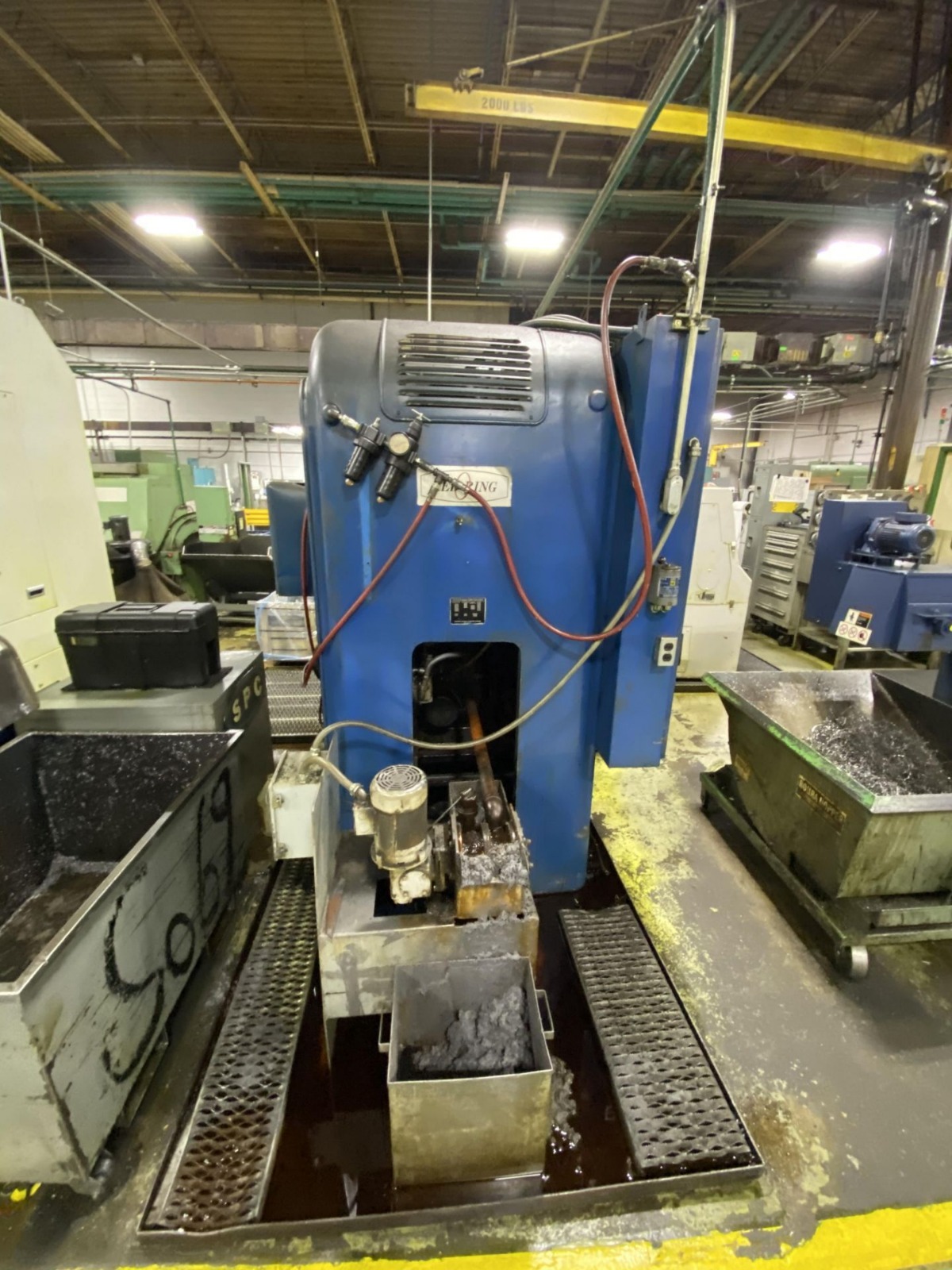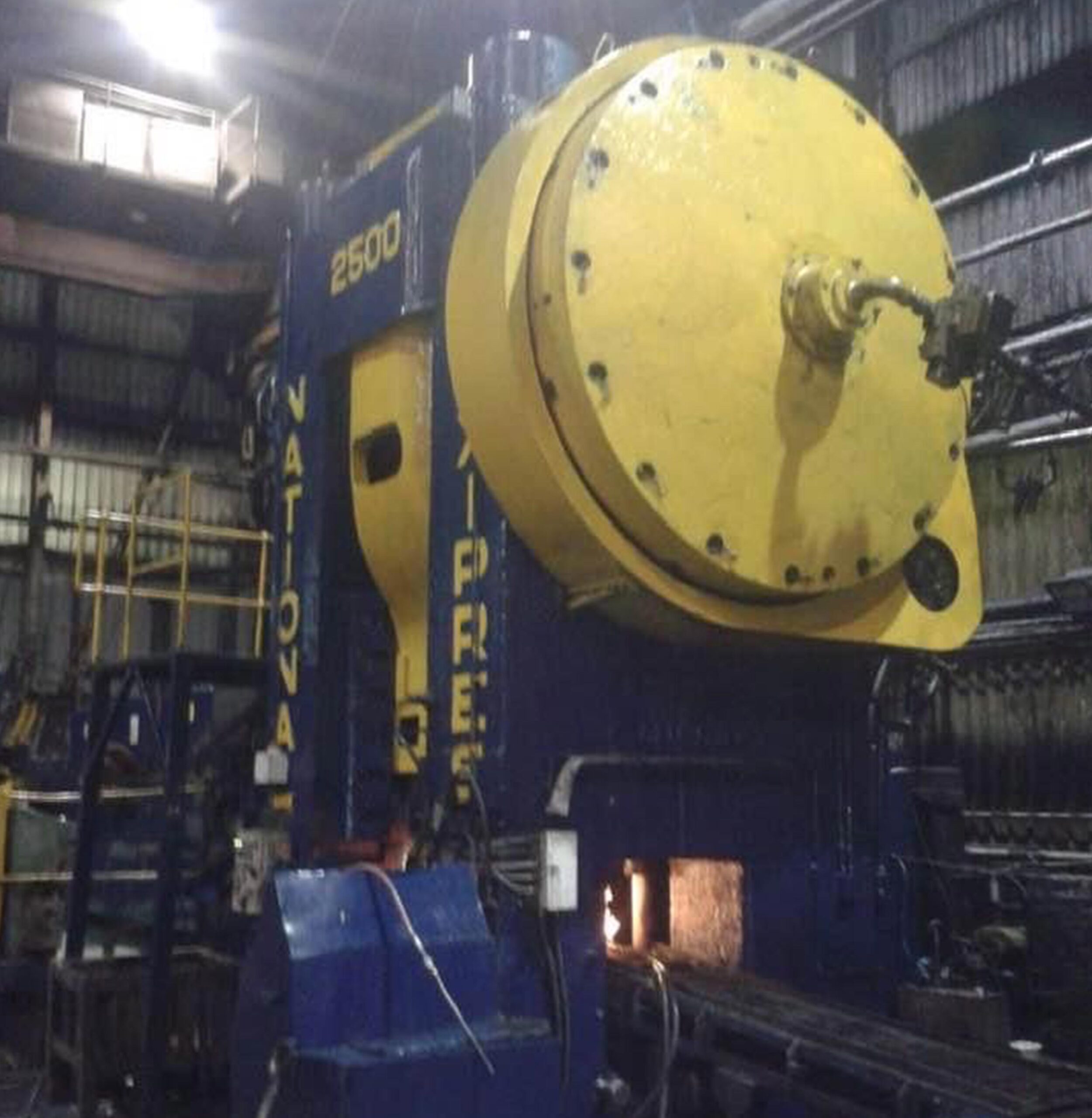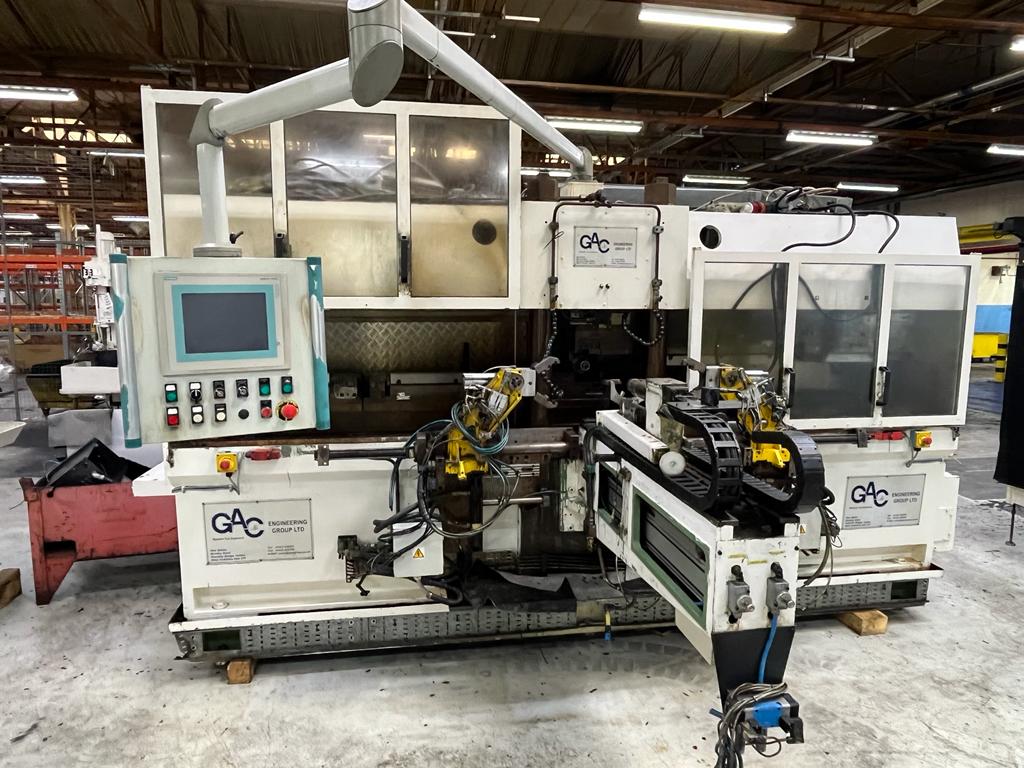
Buying a used industrial machine can help businesses save money. It is a good option for companies that want to increase production without spending too much on new machines.
However, before buying a second-hand machine, it is important to check its condition. A machine may look good from the outside but may have problems inside.
Choosing the right used industrial machine dealers is also important. A reliable dealer can help you understand the machine’s condition and provide the correct details before purchase.
In this blog, we will explain some simple ways to check the condition of a used industrial machine before buying.
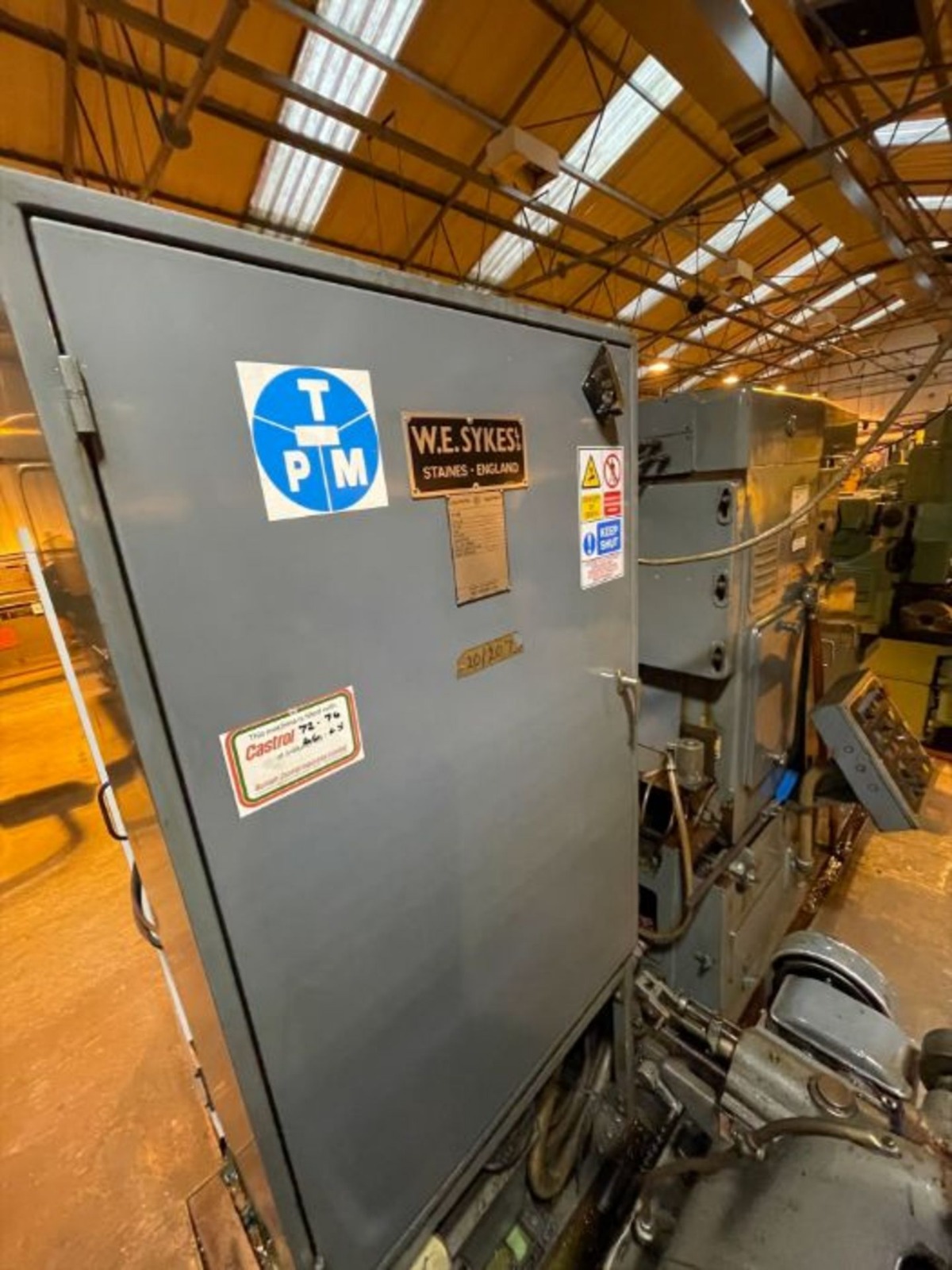
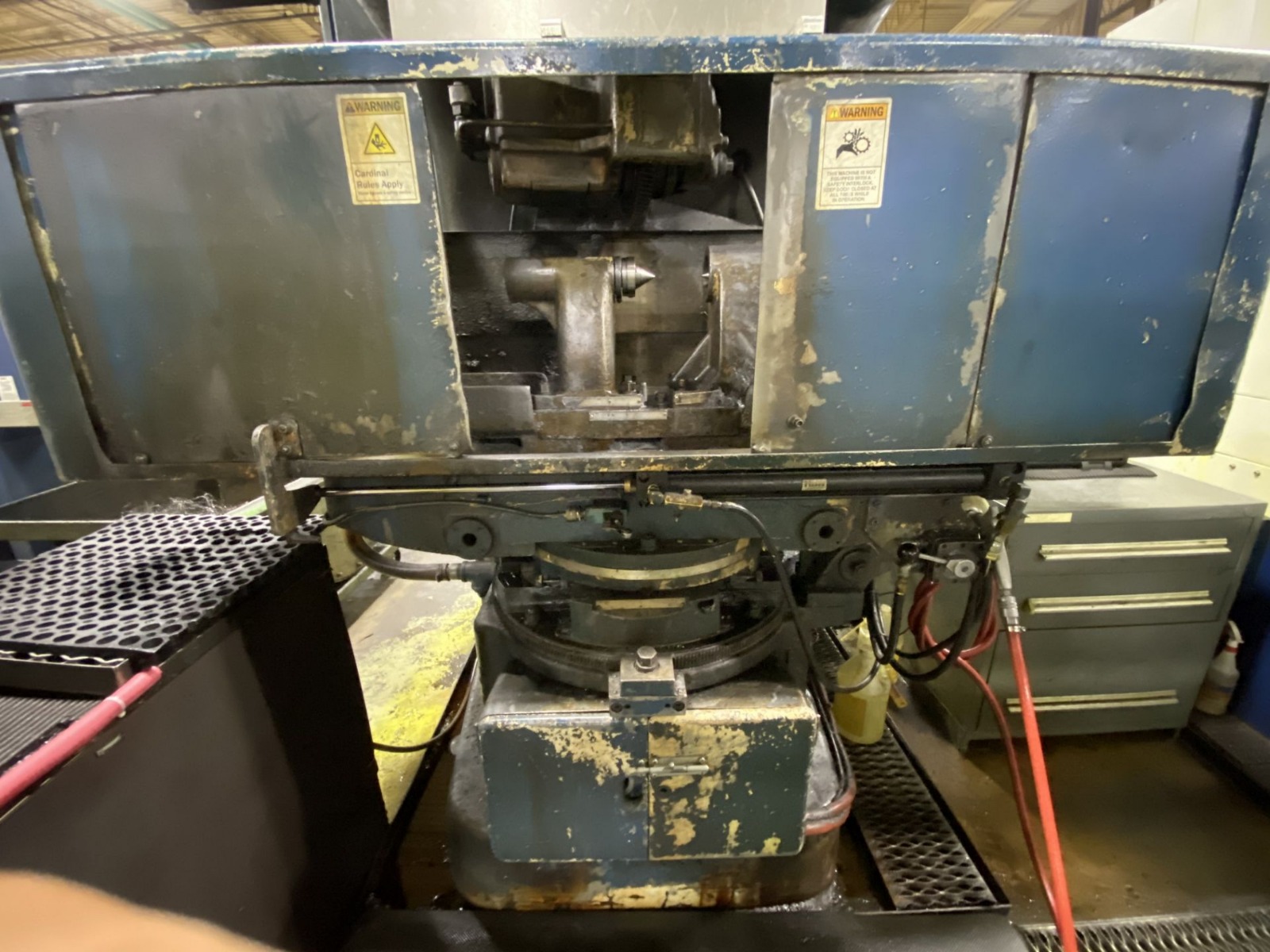
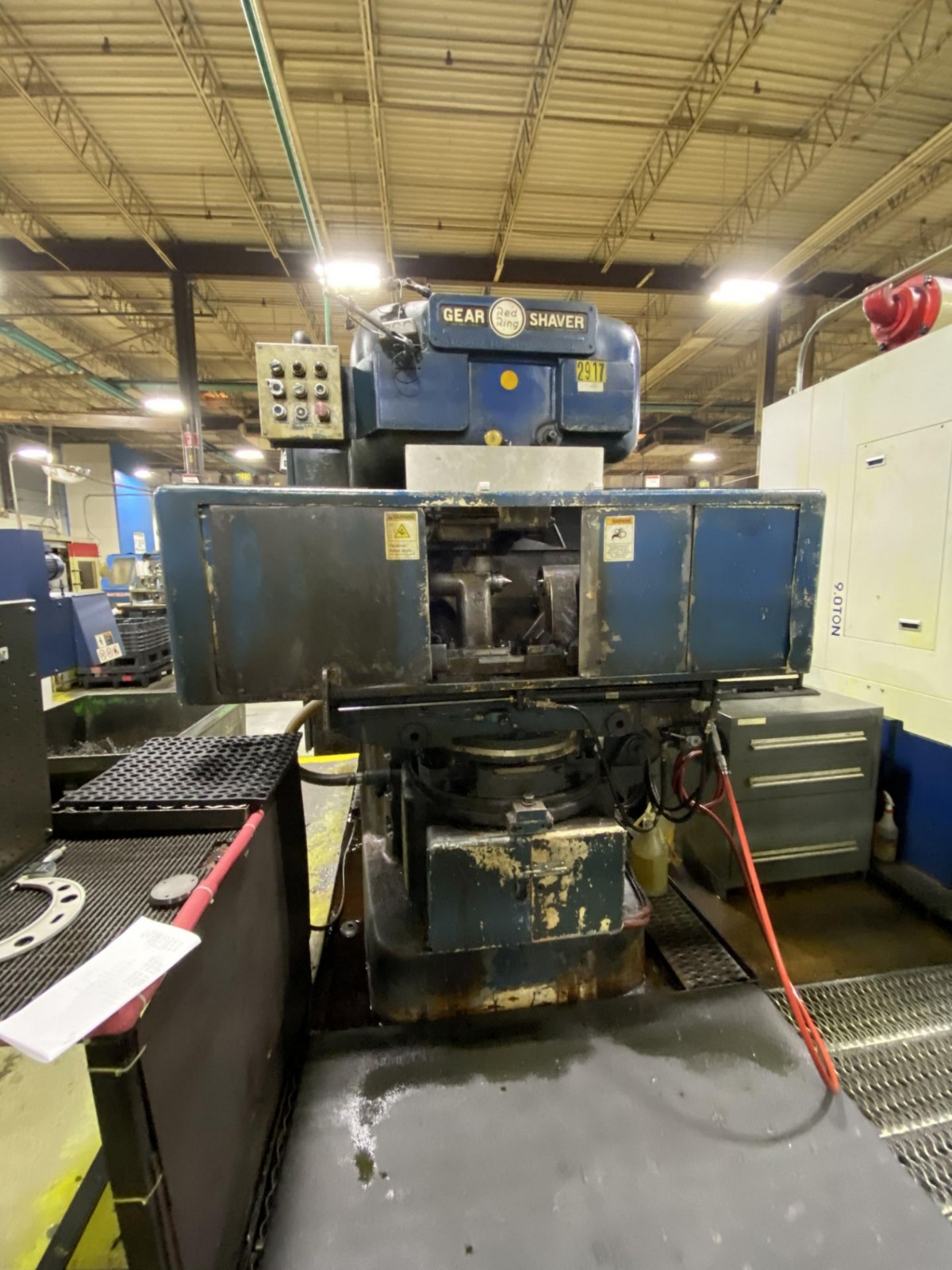
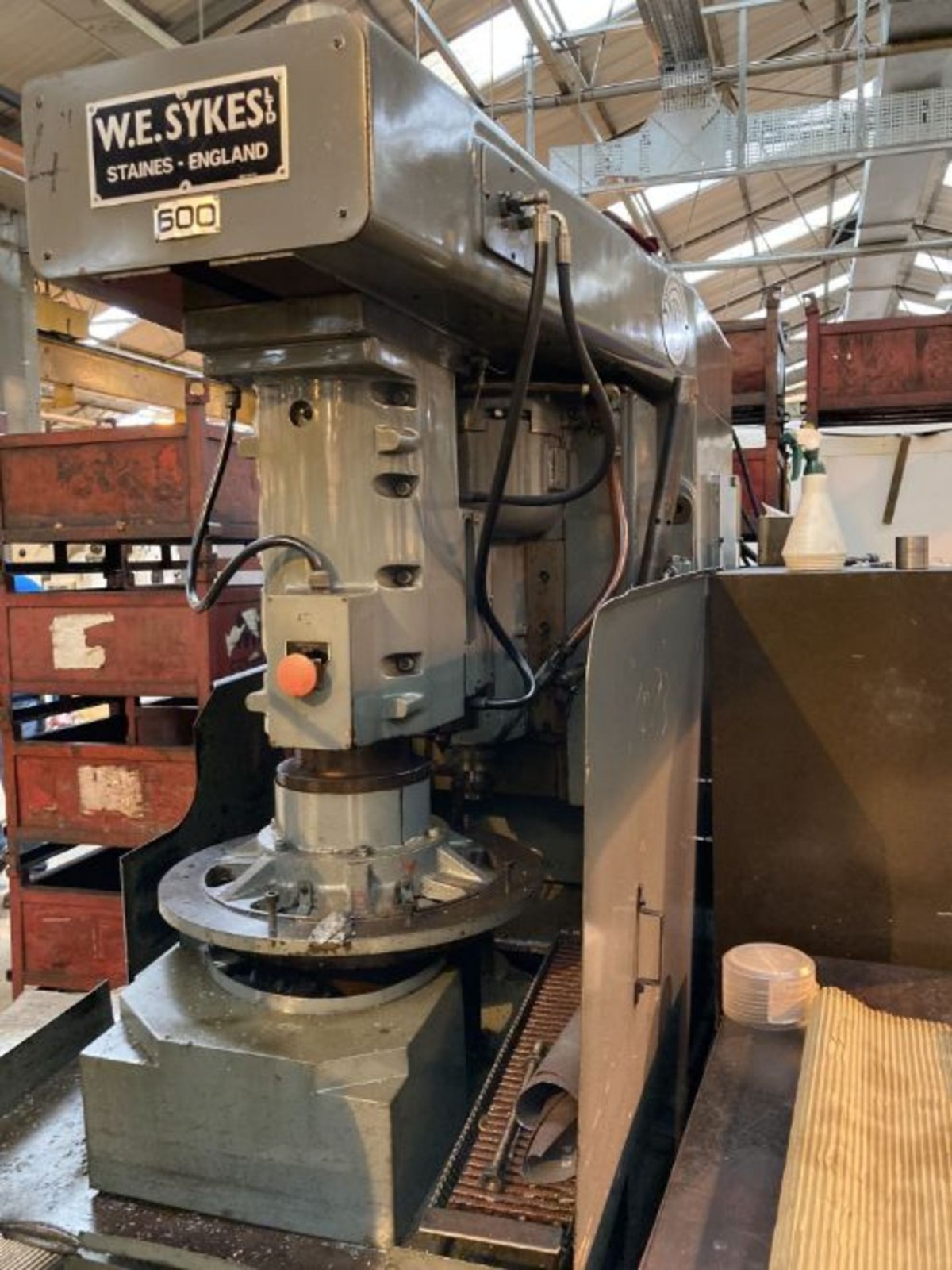
1. Check the Outside Condition of the Machine
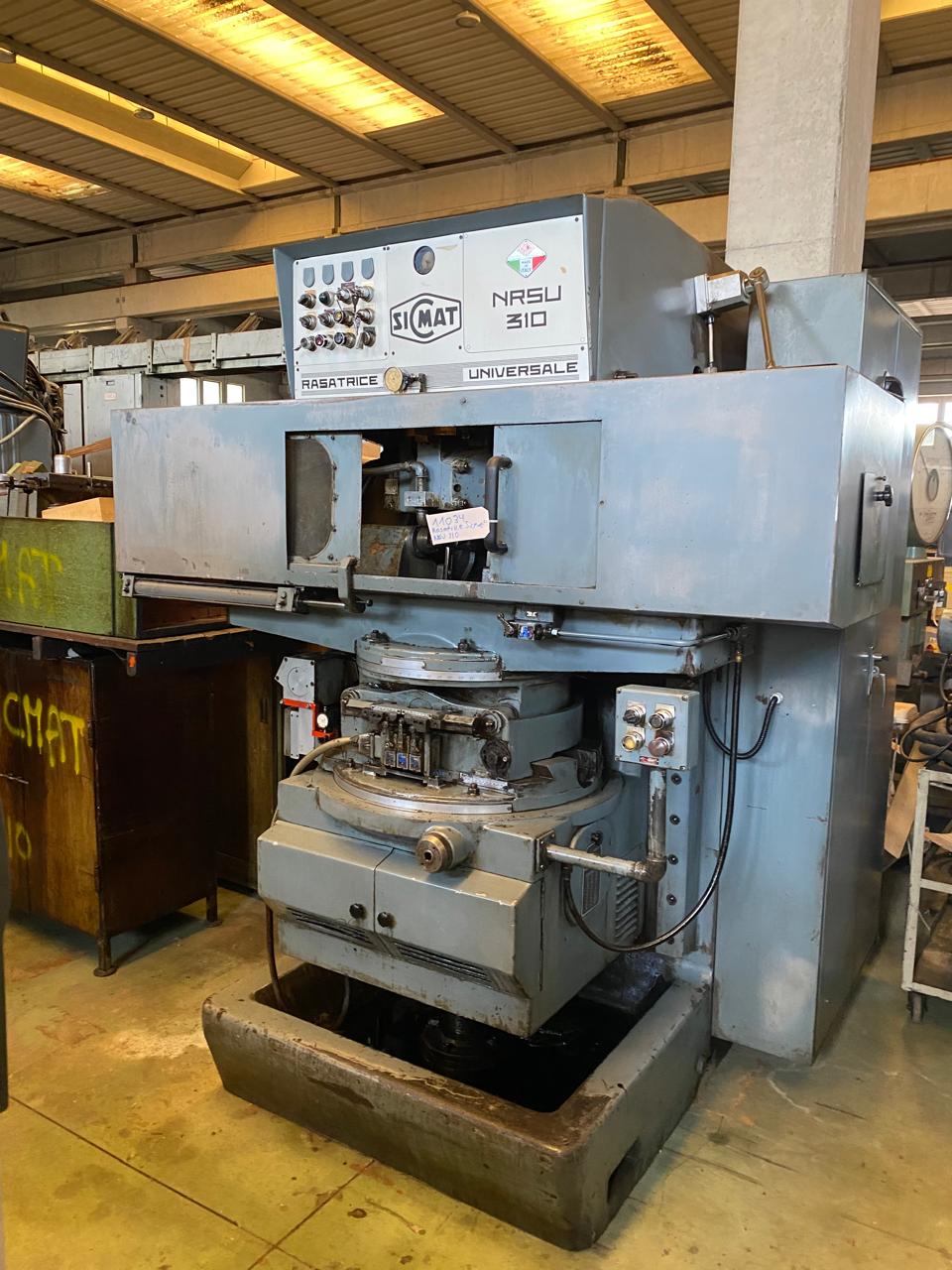
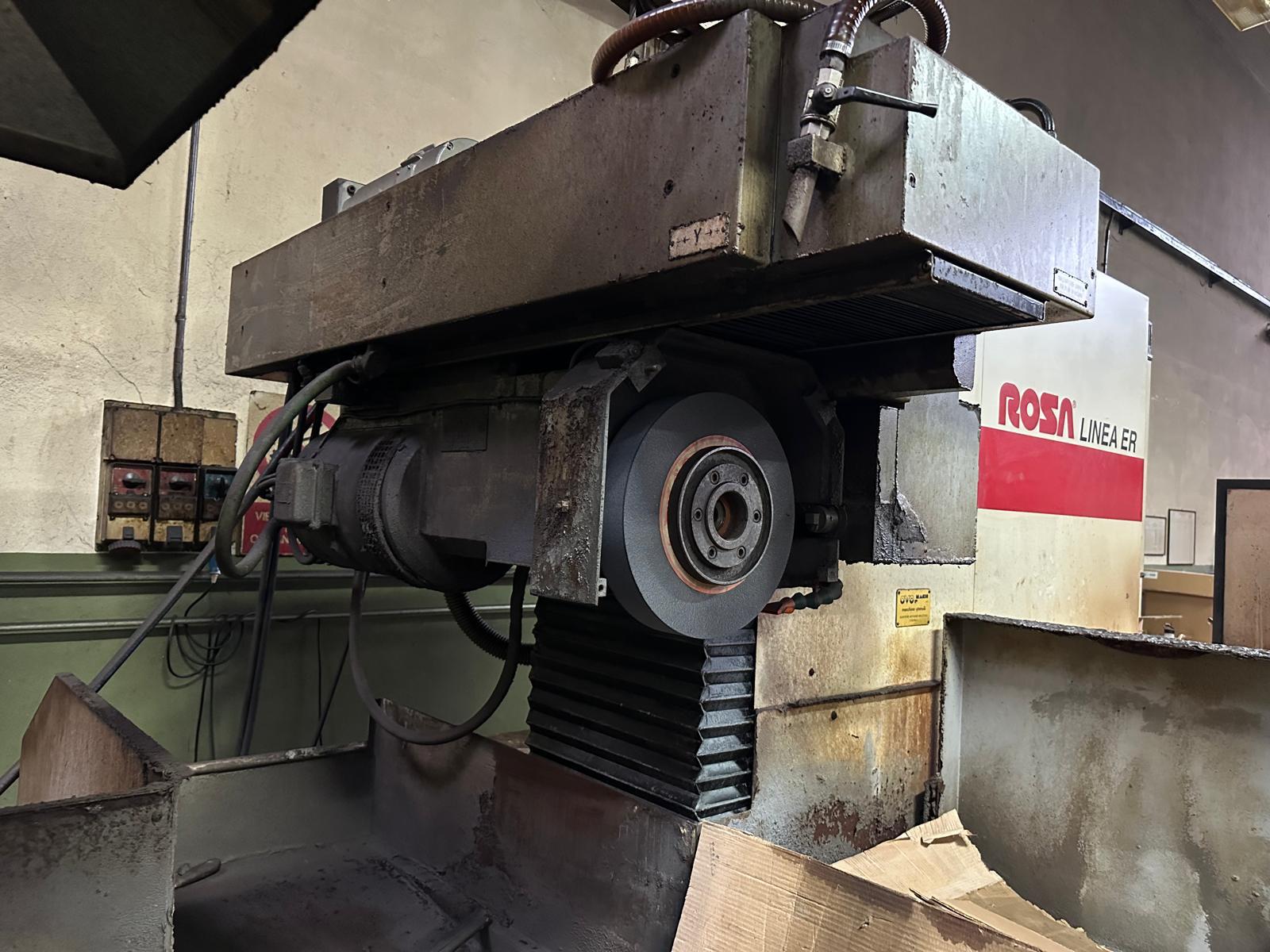
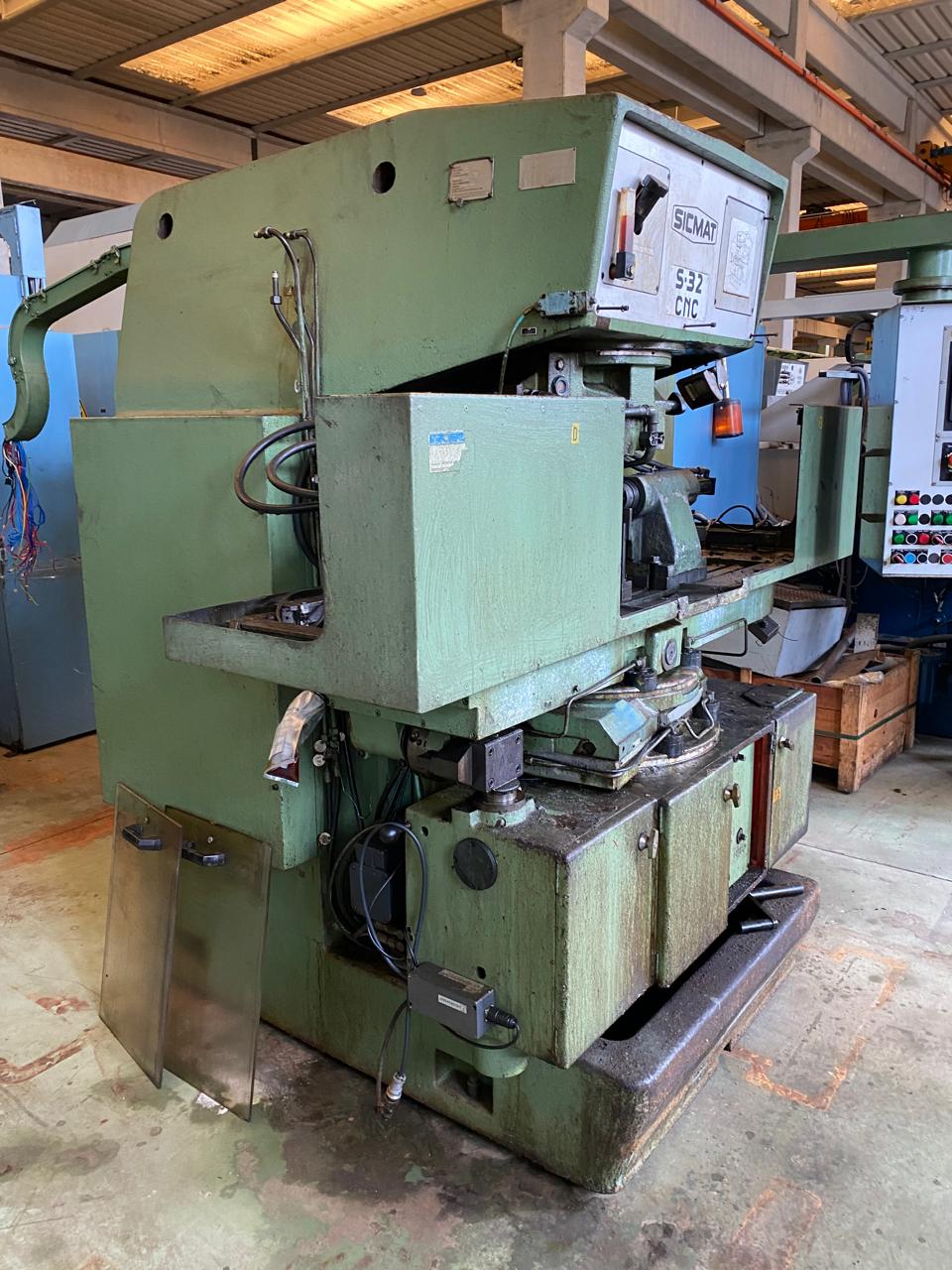
First, look at the machine carefully. Check its body, base, panels, and other visible parts.
Look for:
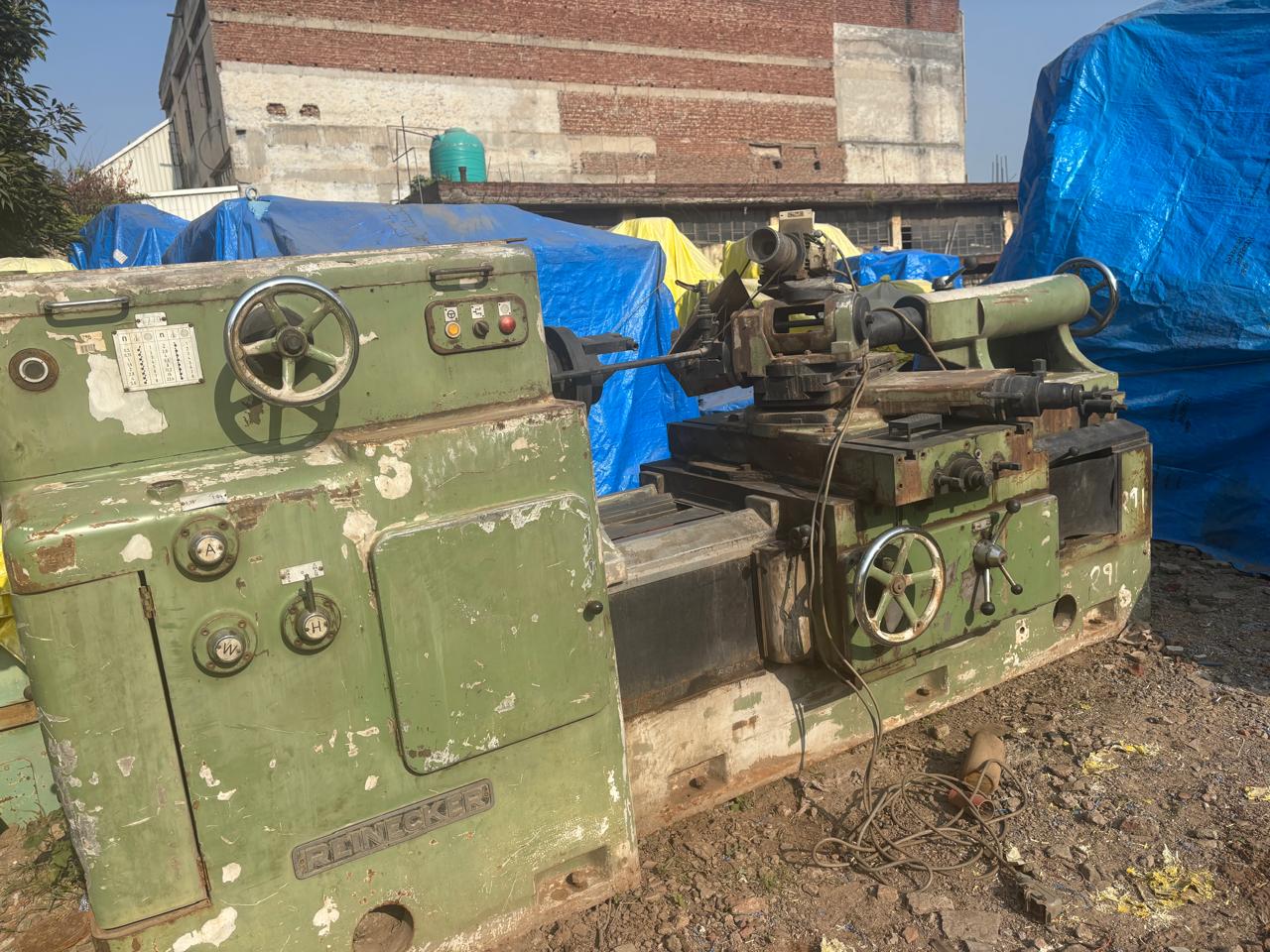
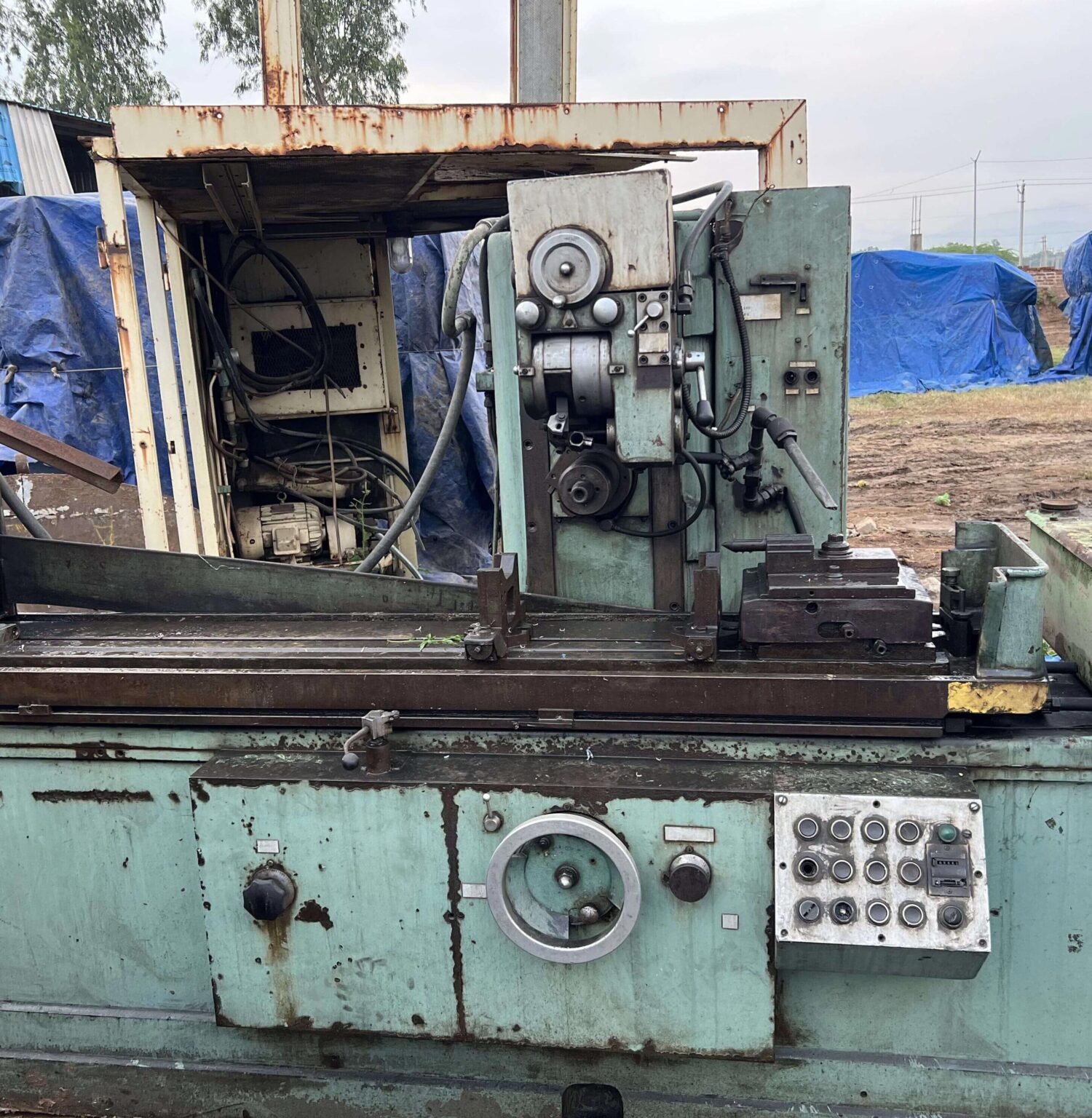
Rust or corrosion
Cracks or damage
Oil leakage
Missing parts
Signs of poor maintenance
A machine with too much rust or visible damage may need extra repair work.
2. Check the Main Parts of the Machine
The main parts of a machine should be in good working condition.
Check important parts such as:
Motor
Spindle
Bearings
Gears
Guideways
Hydraulic system
Moving parts
Make sure there is no unusual noise, vibration, or loose movement. These problems may affect the machine’s performance.
3. Check the Electrical System
The electrical system helps the machine work properly. Before buying, check the wiring, switches, control panel, and motor.
If you are buying a CNC machine, also check its display, controller, buttons, and programming functions.
Make sure the machine starts properly and all its main functions are working.
4. Run the Machine Before Buying
One of the most important steps is to see the machine running.
Do not make a decision just by looking at photographs or videos. If possible, visit the machine location and ask for a live demonstration.
During the trial, check:
Does the machine start properly?
Is it making unusual noise?
Is there too much vibration?
Are all parts moving smoothly?
Does it perform the required work properly?
A trial run will give you a better idea of the machine’s actual condition.
5. Check the Machine’s Accuracy
Machine accuracy is very important for good production quality.
A machine may look fine but may not produce accurate results because of worn-out parts.
If possible, check the machine’s working accuracy with a test piece.
For example:
Check cutting accuracy in a lathe machine.
Check surface finish in a grinding machine.
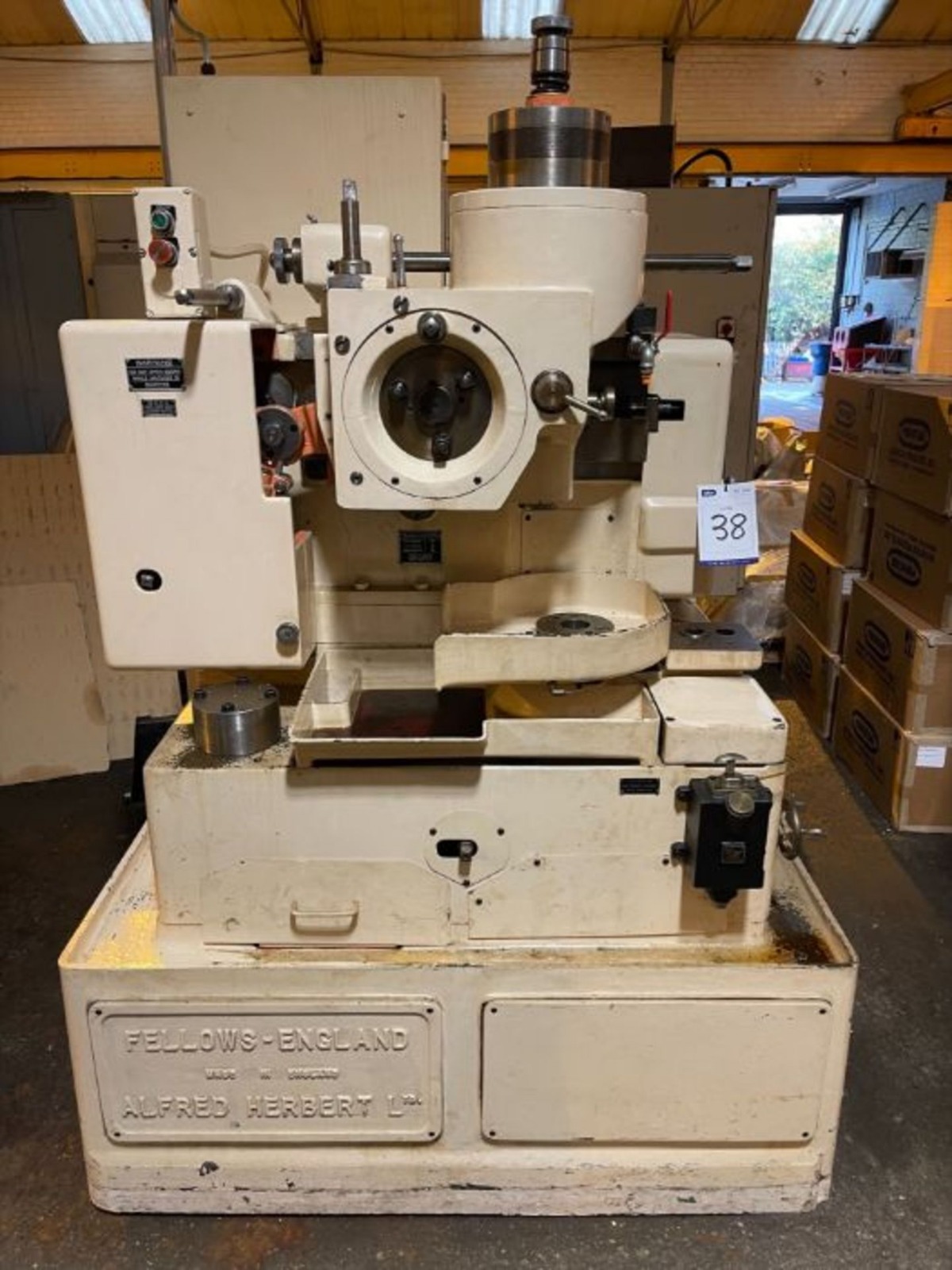
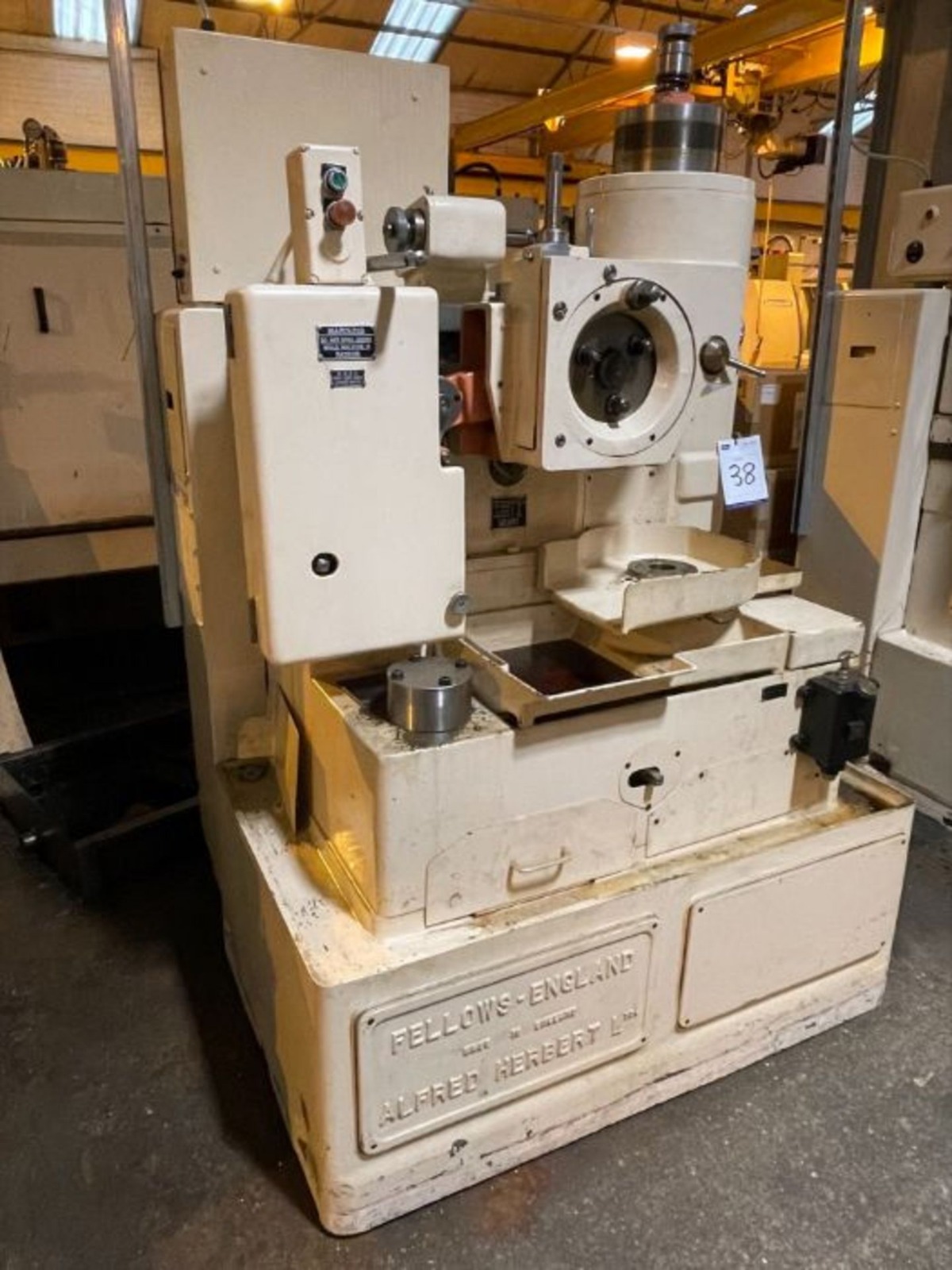
Check gear cutting accuracy in a gear hobbing machine.
Check alignment and movement in a milling machine.
This will help you understand whether the machine can meet your production needs.
6. Ask About Maintenance History
Before buying, ask the seller about the machine’s previous use and maintenance.
You should know:
When was the machine manufactured?
How long has it been used?
What type of work was it used for?
Has it been repaired before?
Which major parts have been replaced?
Why is the machine being sold?
This information will help you understand how well the machine has been maintained.
7. Check Machine Specifications
Make sure the machine has the right specifications for your work.
Check details such as:
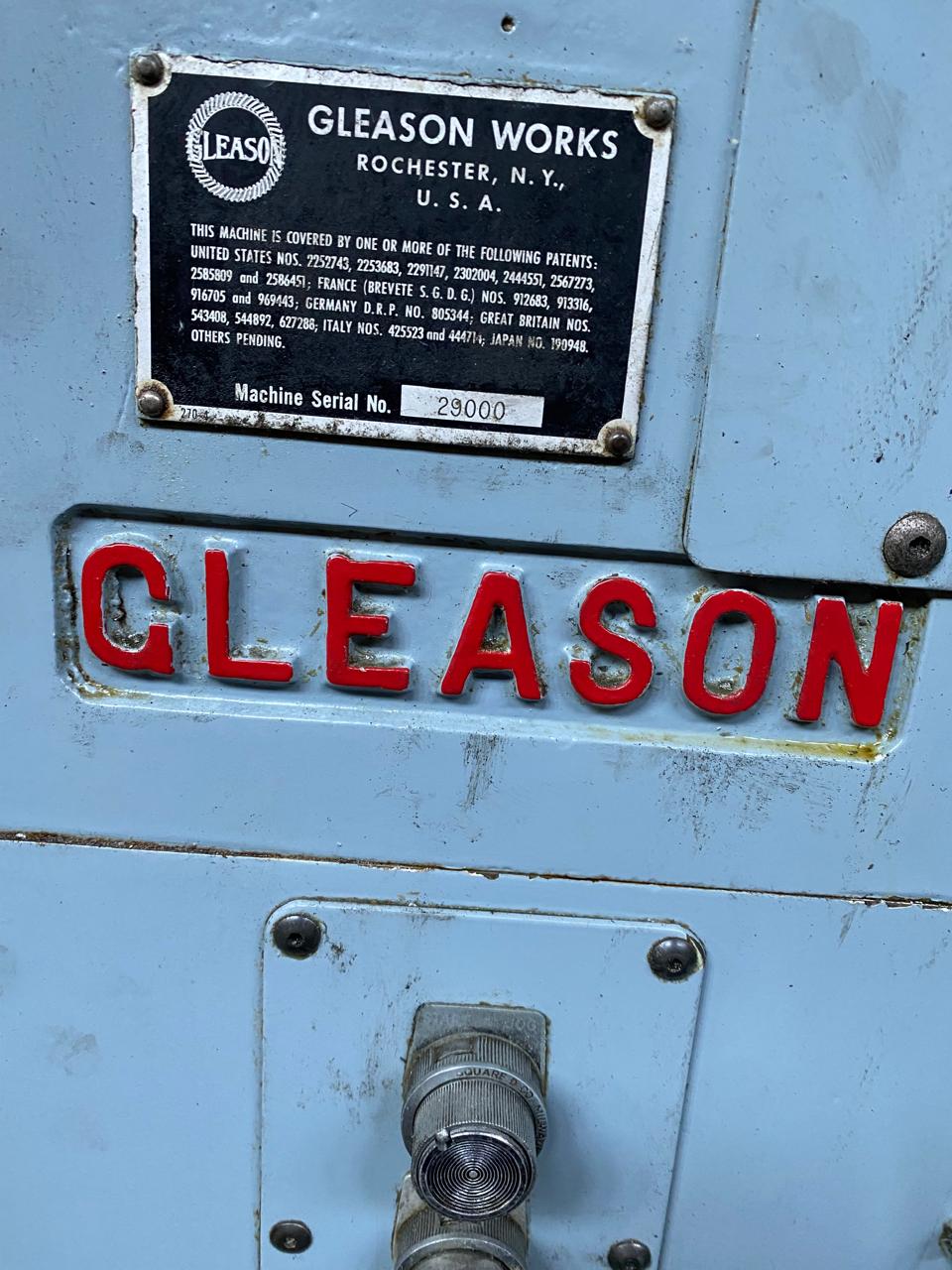
Machine make and model
Manufacturing year
Working capacity
Motor power
Spindle speed
Maximum working size
Machine type (CNC or conventional)
For example, if you are buying a used gear hobbing machine, check its maximum gear diameter and cutting capacity.
Similarly, for a used VTL machine, check its table size and maximum turning capacity.
8. Check Spare Parts Availability
Before buying an old or imported machine, check whether its spare parts are easily available.
Some machines may require special parts that are difficult to find.
Also, check whether technical support and repair services are available. This can help you avoid delays if the machine needs maintenance in the future.
9. Take Help from an Experienced Technician
If you do not have much technical knowledge, ask an experienced technician or engineer to inspect the machine.
They can check its important parts and identify problems that may not be visible during a normal inspection.
This can help you make a better buying decision.
10. Choose Reliable Used Industrial Machine Dealers
Choosing the right used industrial machine dealers is just as important as choosing the right machine.
Before making a purchase, ask the dealer for proper machine details, specifications, and clear photographs. If possible, inspect the machine and check its working condition.
Look for dealers who have experience in industrial machinery and can guide you according to your production needs.
A reliable dealer can make the buying process easier and help you choose a machine that suits your business requirements.
Final Checklist Before Buying a Used Industrial Machine
Before making your final decision, check these points:
- Check the outside condition of the machine.
- Inspect the main mechanical parts.
- Check the electrical system.
- Run the machine before buying.
- Check its working accuracy.
- Ask about maintenance history.
- Verify machine specifications.
- Check spare parts availability.
- Get the machine inspected by a technician.
- Verify all details with the dealer.
Conclusion
Buying a used industrial machine can be a good investment if you check it properly before purchasing. Always inspect its condition, run the machine, check its specifications, and ask about its maintenance history.
Choosing experienced used industrial machine dealers can also help you make a better buying decision and find the right equipment for your business.
Engineering Tools and Machines offers a range of used industrial machines, including forging machines, gear machines, grinding machines, lathe machines, drilling machines, and VTL machines.